

Check Alternatives: Alternatives to Paper Checks for Digital Payments
Checks make up 33% of the U.S. and Canadian B2B payments. It highlights the continued significance of checks for commercial and personal transactions. However, many businesses have issues with issuing paper checks due to high costs, manual processes, and delayed transfers. Also, according to PYMNTS research, getting signatures and approvals for paper checks takes around 14 business days. Thus, most businesses look for check alternatives.
One of the top alternatives to checks is digital checks. They are an online version of paper checks. However, what are the primary differences between digital and paper checks? How to migrate from the traditional to the new payment method?
This blog discusses everything you need to know about paper check alternatives and how to transition from paper checks to digital! Let us get started!
Key Takeaways:
- Using paper checks can be costly for businesses due to the wasted time, manual effort, and resources.
- There are many digital payment methods you can use, like check alternatives that operate over the internet, including wire transfers and PayPal.
- Migrating from paper checks to digital allows businesses to speed up transactions and cut unnecessary expenses.
- PostGrid’s Direct Mail solution lets you design, print, and ship checks using automation, simplifying the process of sending paper checks to payees.
What Is the Cost Businesses Incur to Write a Check Traditionally?
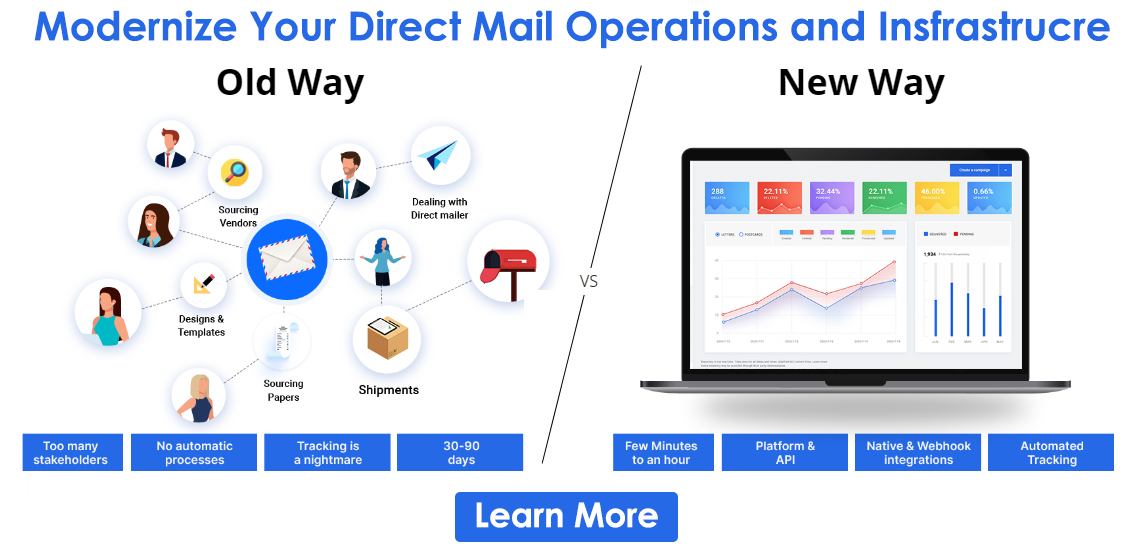
Using paper checks causes many problems and incurs extra costs. First, writing, printing, and mailing checks can take hours and days, depending on the volume. It can also lead to manual mistakes. Also, you have to pay for paper, ink, stamps, and envelopes, which makes using checks costly. Another issue is that your staff has to spend their time handling printing and logistics instead of focusing on productive activities.
Paper checks are harmful to the environment due to the high amount of paper waste. Comparatively, digital payments are better because they don’t use paper stock. Hence, businesses committed to fulfilling their Corporate Social Responsibility (CSR) choose to use check alternatives instead of paper checks. It enables them to contribute to environmental sustainability.
Additionally, the 2024 AFP Payments Fraud and Control Survey Report has stated that check fraud has increased to 80%. It’s a 15% increase from 2022, when the number was 65%. Hence, using paper checks that anyone can easily steal and forge to transfer funds to their accounts can be risky. Businesses have started adopting digital check alternatives to ditch such issues.
Benefits of Using Paper Check Alternatives for Businesses
Digital checks have many advantages over paper checks. They are faster, safer, and easier to use:
Speedy Transactions
You don’t have to wait for the check to clear at the bank, unlike with paper checks. The money moves right away, which makes the whole process quicker. There’s less paperwork and fewer manual steps, which makes the whole process quicker and smoother.
Secure
Digital checks are safer than paper checks. Your bank details are sent in a protected, coded format, making it hard for anyone to steal them. Digital payments also have strong security features, like encryption and fraud checks, to protect your money and personal information.
Easy to Use
Unlike paper check alternatives, digital checks let you pay bills or send money from anywhere with internet access. You can also set up automatic payments, so you don’t have to worry about missing a bill.
Simpler Payment Tracking
Digital B2B payments make it easier to manage incoming payments. They cut down on manual work and help you see and control your cash flow more clearly.
Saved Expenses
Digital checks help businesses spend less. You don’t need as much staff time for things like sending invoices or handling payments. There are no mailing or paper costs. Payments happen faster, which helps you manage money better and keep more profit.
Better Customer Experience
Many customers now want easy online payment options, even for big business deals. Digital payments let them pay anytime, from anywhere. Giving customers different ways to pay helps them choose what works best for them. It feels easier and gives them more control. Digital checks are also safer compared to paper checks, which builds trust and helps keep strong business relationships.
Echeck, ACH Transfer, or Wire Transfer: What Is the Best Way to Make Electronic Payments
Echeck vs ACH Transfers
An eCheck is short for electronic check. It’s a type of payment that works like a paper check, but everything happens online—no need for a physical check. These eChecks are now commonly used instead of old-fashioned paper checks.
ACH stands for Automated Clearing House. It’s a system that helps move money from one checking account to another. ACH is one of the most common ways people and businesses send money electronically. It’s part of a bigger group called Electronic Funds Transfer (EFT). ACH transfers are cheap for banks because they don’t need a lot of manual work, and banks don’t have to pay fees to credit card companies when using ACH. In 2021, individuals and businesses used the ACH system for about 29.1 billion payments, which added up to $72.6 trillion in total.
All ACH payments are a type of EFT, but not all EFTs go through the ACH system. For example, when you use a debit card or credit card, the money moves electronically, so it’s an EFT. But these payments don’t use the ACH network. Card payments follow a different process.
Please note that digital checks and eChecks are used interchangeably and are both considered paper check alternatives. An eCheck is processed through the ACH network and goes directly into the payee’s bank account.
Echecks vs Wire Transfers
Wire transfers, also called bank transfers or bank wire transfers, are a fast and secure way to send money electronically from one bank to another. Unlike eChecks, wire transfers do not work like paper checks. Instead, they move money directly between bank accounts without using a check format.
How Do Wire Transfers Work?
- Initiation: First, the person sending the money (the payer) starts the process by contacting their bank or using online banking. They provide the recipient’s bank details, such as the account number and the bank’s routing number.
- Authorization: Next, the payer gives permission for the transfer, either by signing a form or giving digital approval. Once authorized, the bank processes the payment and sends the money directly to the recipient’s bank account.
- Transaction Processing: The sender’s bank sends a message to the receiver’s bank, telling it to put the money into the receiver’s account.
- Funds Transfer: The money moves from the sender’s account to the receiver’s account, usually through a system like Federal Reserve Wire Network (Fedwire) in the U.S. or a similar system in other countries.
- Confirmation: Both the sender and receiver get a notice that the transfer is complete.
How to Transition to Digital Payment Options From Paper Personal Checks
There are many good reasons to switch from paper checks to digital payments. Maybe you want a faster way to pay bills, or you want to reduce paper waste. No matter the reason, switching to digital checks is simple and can help you save time and money.
Here are a few reasons to switch to digital check alternatives:
Get Paid Faster
If you’re a business sending regular payments, digital checks help you transfer funds quickly. Paper checks can take days to arrive by mail to the payees’ doorsteps and even more time to clear at the bank. Digital check alternatives are sent and received electronically, which means faster payments. It helps you run your commercial transactions without issues.
Lower Risk of Lost or Stolen Checks
Paper checks can get lost in the mail or fall into the wrong hands, putting your money and personal information at risk. With eChecks, everything happens online in a secure system. It lowers the chance of someone stealing your check or bank details, giving you peace of mind that your payments are safe and protected.
Reduce Clutter
Paper checks and bills can pile up at home or in the office, creating clutter and making it hard to stay organized. With digital checks, you can handle all your payments online. You can easily track everything through your bank’s website or app. It makes it simple to find past payments without digging through papers.
How to Make the Big Switch From Paper Checks to Digital
Switching from paper checks to digital checks can seem like a significant change, but it’s easier than you think. Digital checks save time, reduce mistakes, and help you go paperless. Here’s a simple guide to help you make the change.
Choose a Digital Check Service
Several services allow you to send digital checks. Popular ones include your bank’s online system, Zelle, or third-party services like Checkbook.io. Pick a service that works best for you. Most of these services are easy to use and don’t cost much, if anything.
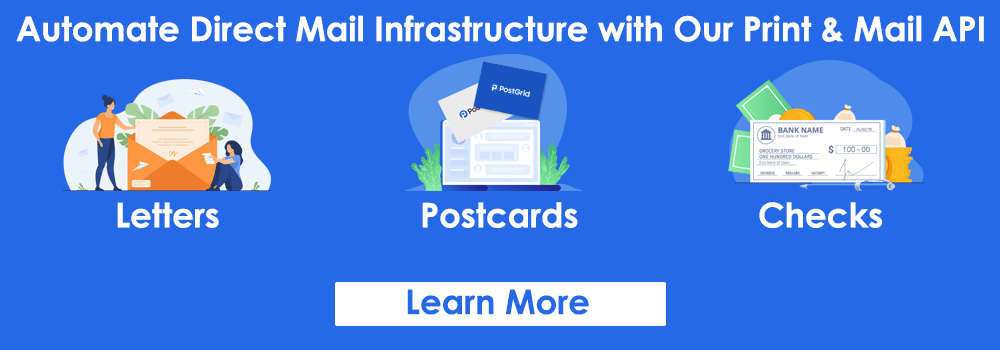
Alternatively, you can use PostGrid’s Direct Mail solution to design, print, and ship checks online. Though you send paper checks, you can use an automated way to do so to cut costs, time, and effort.
Set Up Your Account
To use digital checks, you’ll need to set up an account with the service. You’ll need to link your bank account and provide some basic information. Follow the service’s steps carefully. It usually only takes a few minutes to set everything up.
Start Sending Digital Checks
Once your account is ready, you can start sending checks. Enter the payment details and choose to send it as a digital check. You may have to confirm your payment through email or a text message. The recipient can then deposit the check directly into their account.
Monitor and Track Your Payments
Most services allow you to keep track of your digital checks. You can see when your check is delivered, deposited, and cleared. It’s a simple way to stay on top of your finances without worrying about lost or delayed checks. Making the switch from paper checks to digital can save you time and help you stay organized. With just a few steps, you’ll be all set to go paperless.
Using PostGrid to Send Checks Online
PostGrid’s Direct Mail solution is a reliable tool that helps you send checks online. It’s easy to use, and you don’t need to leave your home to send payments.
You can integrate PostGrid’s API into your QuickBooks or other platforms. It allows you to automatically search for the payee’s details to add them to your checks. You can use PostGrid’s compliant templates to create and customize the checks without hassles.
PostGrid offers many other features to help you use alternatives to check and automate the entire payment process. They include:
- Address standardization and verification
- MICR check printing
- Real-time tracking
- 2-business-day SLA
- Audit trails
Sign up to know more about how to migrate from paper to digital checks using an automated mailing solution, like PostGrid!
FAQs
What Is the Primary Difference Between Paper and Digital Checks?
Paper checks are written by hand and physically mailed. Digital checks, also called eChecks, are sent online. They work the same way but are faster, safer, and easier to manage. With digital checks, there’s no need for paper, stamps, or mailing. Everything is handled electronically for convenience and speed.
Why Should Businesses Migrate to Digital Checks?
Switching to digital checks helps businesses save time and money. There’s no need to print, sign, or mail checks. Payments are quicker, more secure, and easier to track. It also helps reduce paper waste and improves record-keeping, making it easier to manage expenses and cash flow efficiently.
What Is the Best Way to Send Digital Checks?
A simple and reliable way to send digital checks is by using PostGrid Print & Mail. It lets you design, print, and mail checks without leaving your office. Everything is handled online, and your checks are delivered safely. It’s perfect for businesses that want to automate and simplify payments.
How Much Does It Cost to Send a Check via PostGrid?
With PostGrid, sending a check costs $1.10 total. This price includes design, printing, postage, tracking, and delivery. There are no hidden fees. It’s a cost-effective solution that saves you time and effort compared to sending traditional paper checks manually.