
How Direct Mail Resolves Health Literacy Challenges in the Healthcare Sector?
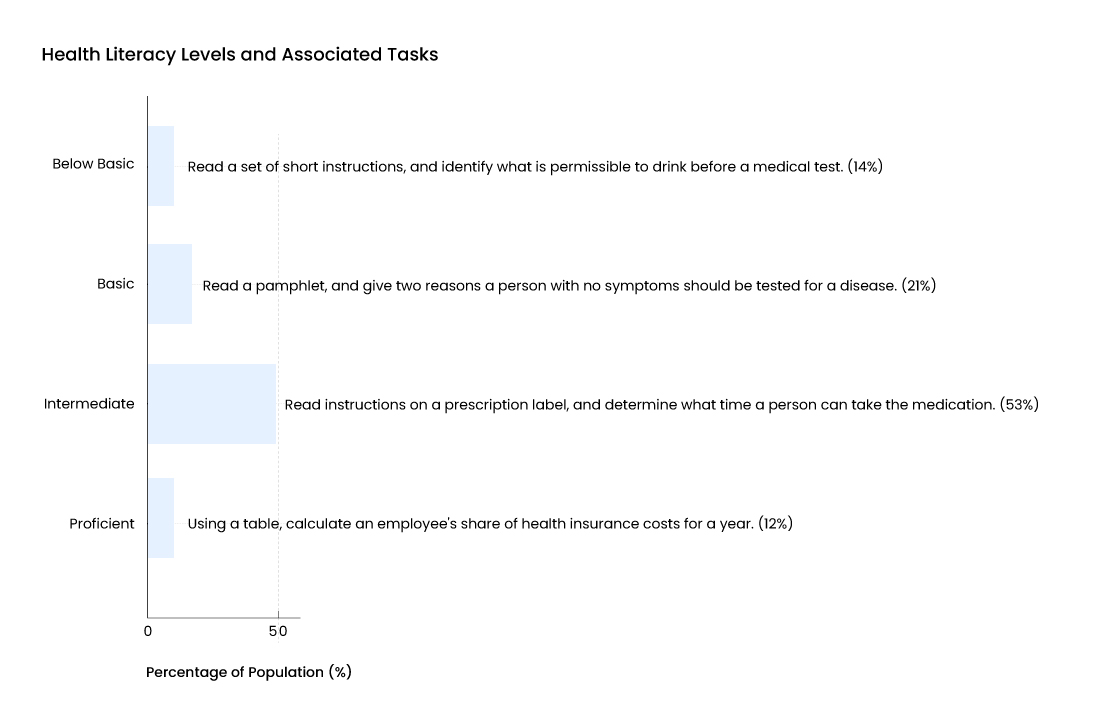
Only a few people have sufficient health literacy. It is a huge concern for medical professionals and businesses that want to ensure smoother patient journeys.
Limited health literacy may lead to bad health outcomes, strain our healthcare system, and increase unnecessary costs. Social and economic factors could be the major reinforcing factors behind health inequities. Some demographic subgroups are more likely to have low health literacy, including:
- People with lower educational background
- Elderly
- Immigrants
- Underserved minority groups
Various barriers impact the distribution of health literacy in the United States. Communication, stigma, cultural differences, and quality of schooling are the most prominent factors affecting health literacy.
Key Takeaways
- Low health literacy and the overall health decline of patients have a strong correlation.
- Patients with low health literacy are less engaged with their healthcare plans.
- Poor health literacy might lead to medical errors, prolonged illness, and disability.
- Postcards are the most cost-effective direct mail type to communicate with your patients.
- Patients should get incentives via direct mail to feel more connected to their healthcare journey.
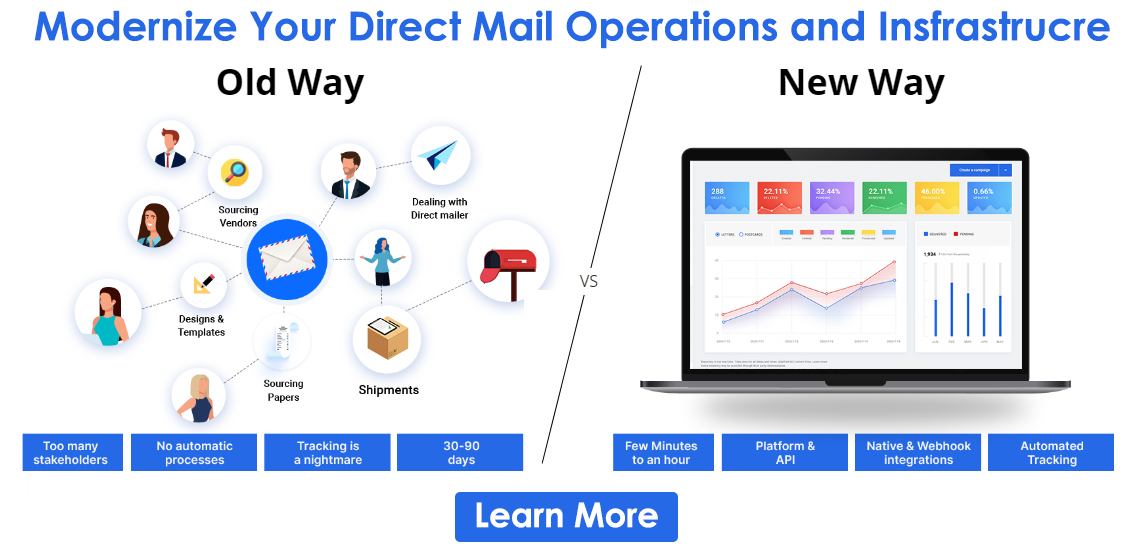
- Manual direct mail is time-consuming, resource-intensive, and lacks personalization.
- Automated direct mail campaigns ensure data quality, tracking, and engagement of mailers.
- Personalization of communication and marketing material might significantly overcome health literacy challenges.
Healthcare Industry Overview- 2025 and Beyond
The healthcare industry is facing several bottlenecks due to high inflation rates and skilled labour shortages. However, growth is imminent, especially after the COVID-19 pandemic.
A report by McKinsey estimates profit pools of government segments will be around 50% larger than commercial segments by 2026. Most provider segments will rise less than 5% percent CAGR from 2021 to 2026.
Data and technology will be the primary drivers behind this growth in the healthcare industry. Technology adoption by providers and payers will continue accelerating in the upcoming years. It would also support health literacy among patients.
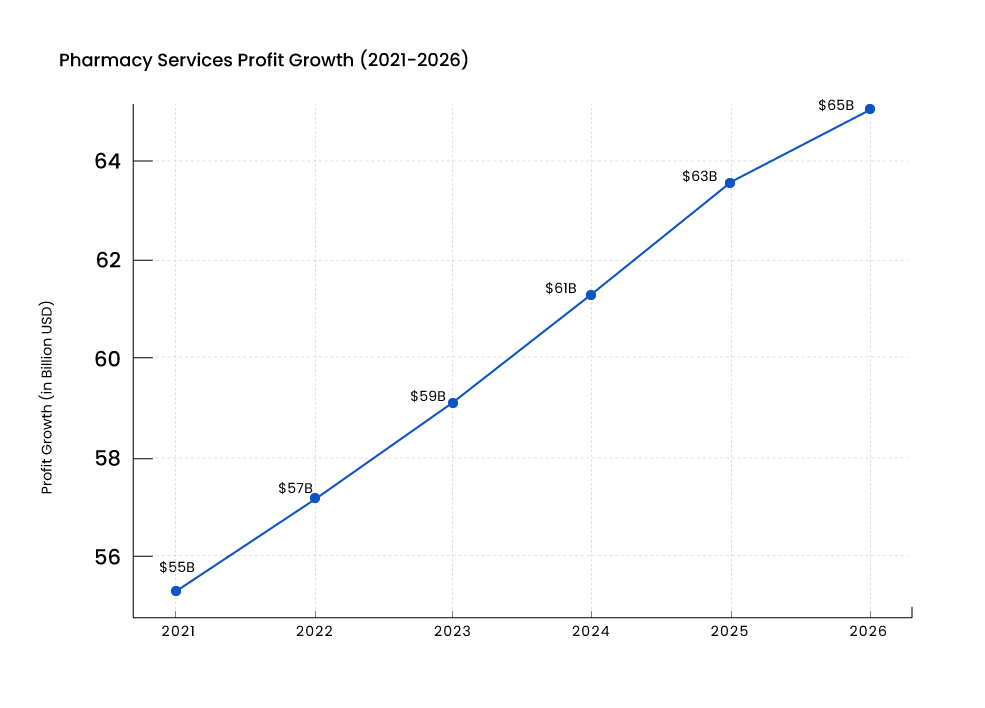
The same report estimates that pharmacy services’ profit pool will reach $65 billion by 2026 from $55 billion in 2021. Patients will be more educated to use modern solutions like telemedicine or e-prescription apps. However, the recessionary pressure, high inflation rates, and labour shortages will be constant challenges for healthcare businesses. Automated solutions could be reliable for mitigating these bottlenecks and also educate more patients about health literacy.
How Does Low Health Literacy Impact Healthcare Outcomes?
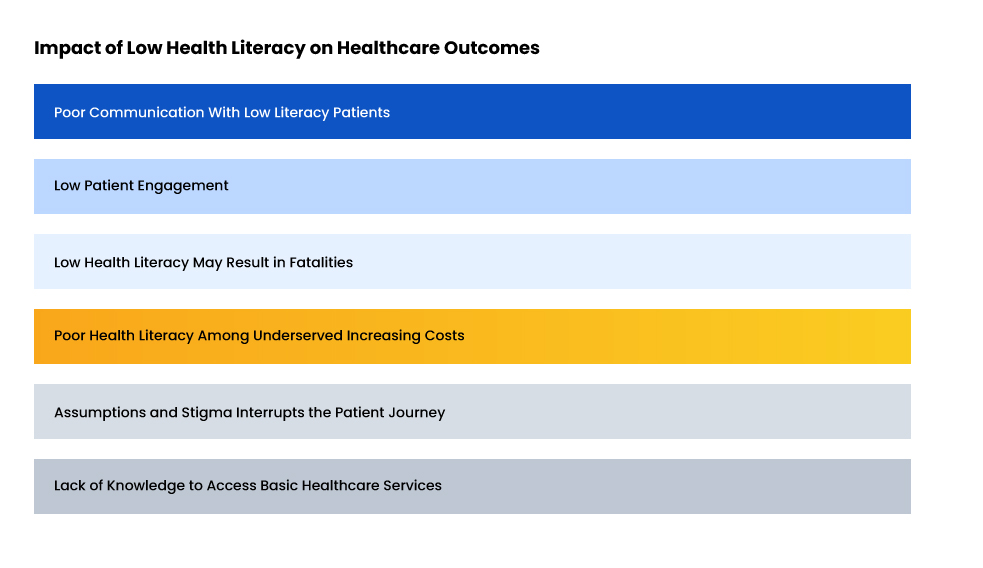
Poor Communication With Low Literacy Patients
Poor communication in healthcare is a significant contributor to patient deaths and hideous malpractices. A study by FierceHealth states that insufficient communication might played a role in 1,744 patient deaths and over $1.7 billion in malpractice costs over the past five years.
These alarming numbers highlight the importance of implementing a strong communication strategy in every healthcare practice. These are the common barriers to a communication strategy:
- Medical terminology
- Language differences
- Cultural differences
- Poor educational background
- Complexity of health topics
- Disabilities or mental issues
- Lack of time
Low Patient Engagement
The patients are active participants in their healthcare journey. An article by Harvard Medical School suggests that low health literacy patients are less engaged with their healthcare plans. In contrast, well-informed patients have a higher satisfaction of care and better outcomes.
These patients also have greater confidence in the healthcare system. The level of engagement is a significant challenge for patients, providers, and insurers. Missed appointments in the United States cost the healthcare industry an astronomical $150 billion.
Low Health Literacy May Result in Fatalities
The inability to understand health information leads to several errors:
- Managing health conditions
- Taking medications
- Recognizing urgent care symptoms
- Life-threatening situations
A report by AAFP with various references shows that poor health literacy is the main contributor to poor health outcomes. In the worst cases, it could lead to higher mortality rates and weaken health status. Poor health literacy is also associated with the following:
- Chronic diseases
- Physical limitations
- Depressive symptoms
Increasing Costs
As per AAFP, around 50% of the disadvantaged population might have limited health literacy in the U.S. This leads to exacerbating health disparities and increasing healthcare costs. Low literacy often leads to frequent hospitalization, emergency room visits, and the use of more costly health services, caused by a lack of preventive cases and poor disease management.
An article by WHO states that nearly half of the world’s population lacks access to essential health services. The Health Resources and Services Administration classifies four groups that have the lowest health literacy:
- Elderly
- Minority Populations
- Individuals with low socioeconomic status
- Medically underserved individuals
This low literacy can impact medical errors, prolonged illness and disability, and compromised public health. Inadequate health literacy adds the additional burden of $106 to $238 billion to the U.S. healthcare system.
Assumptions and Stigma Interrupt the Patient Journey
Patients with assumptions and stigma pose a huge challenge to medical professionals. For example, as per NCBI, only 16.5% of people with depression worldwide look for medical help. It highlights the need for patient education to ensure proper healthcare for everyone.
These social stigmas and assumptions may also give birth to suicidality among individuals with mental health conditions. People with social stigma and self-stigma are likelier to experience suicidal tendencies.
Lack of Knowledge to Access Basic Healthcare Services
A study by the National Library of Medicine found that 45.6% of seniors over 65 years of age had inadequate health literacy. It impacts every aspect of health, from medical knowledge to mortality. Some of them can’t even access basic healthcare services, highlighting the importance of health literacy. They are simply unable to:
- Register for health insurance.
- Find specific providers or healthcare facilities.
- Sign HIPAA forms.
- Understand how lifestyle and behaviour impact their health.
- Adhere to prescription medicines.
How Can Direct Mail Solve Challenges of Health Literacy?
Personalized Communication
Direct mail could be a lot more than sending a piece of mail to a target audience. You can rely on custom mailing lists to personalize your message or design according to different demographics and geographic locations. It helps your practice to directly speak to individuals on a more personal level. The chances of them tossing the mailer into the trash are also reduced drastically. Things practices can personalize:
- Age-Specific Information
- Gender-Specific Information
- Personalized Health Tips
- Level of Health Literacy
- Language Preferences
- Cultural Sensitivity
Multiple Collaterals
You have different types of collaterals to incorporate into your marketing or communication campaign. Each format is suitable for a specific use case and campaign. Healthcare practices can use these most popular collaterals:
Postcards
It is the most cost-efficient direct mail format to engage your audience. Postcards are ideal for sharing short messages, promotional codes, sales, or sending greetings on special events. A creative design can instantly grab the attention of your patients.
Letters
This format is most suitable when sending detailed information about medication, treatment plans, health advice, or billing statements. Marketers often use letters for text-heavy content such as newsletters. It could be a brilliant strategy for building brand awareness.
Self-Mailers
These collaterals don’t need additional envelopes for postage. Flyers and brochures are the best examples of self-mailers. They carry attractive visual elements like infographics, images, and graphics to engage the patients. You can even fold them into multiple panels to have more space to add unique creatives and details about your services.
Higher ROI Than Digital Mediums
Direct mail provides greater reach than any digital format. Postal mail services have access to millions of households and businesses. You can even reach people who tend to avoid using online channels. It gradually improves the response rate and ROI of your direct mail campaigns.
A standard direct mail campaign for house lists can have an average ROI of 161%. Email and social media advertising only generates 44% and 21% respectively. Direct mail campaigns have greater outreach and provide geographic targeting.
Less Competition Means Higher Impact
Most practices send patient communication through digital channels like email or SMS. However, they don’t work that well in resolving the health literacy challenges. Plus, people are intimidated by seeing the influx of information through digital channels like email and paid ads.
Only a few practices are investing in good old direct mail to reach their patients. It gives you a great opportunity to educate patients without facing much competition. People still appreciate receiving direct mail over digital messages.
Memorable Experience for Patients
Patients can easily ignore or delete digital marketing messages. In contrast, direct mail provides a truly tangible experience with a physical touchpoint. People can hold, touch, and examine your communication or marketing material in the real world.
These physical interactions create a lasting impression on the patient, making them the perfect tool for brand awareness and recognition. Marketers can implement different shapes, sizes, and textures to make them even more attractive and memorable.
Best Practices to Use Direct Mail to Build Better Patient Literacy
Send Welcome Postcards for the Introduction
A welcome postcard could be a great idea to introduce your practice to the new patients and establish an effective communication channel. It provides a physical touchpoint that your patients can hold, feel, and connect with.
Share Valuable Information
A healthcare provider must focus on educating their patients to reduce stigmas and assumptions and improve overall health literacy. Direct mailers can be useful in providing information about medical conditions, preventive measures, and treatment plans.
Newsletters or brochures could be ideal for sharing educational content with your patient.
Here’s what you can do!
- Lifestyle Tips: Provide medical advice about a balanced diet, stress management, workout plans, or other health habits.
- First Aid and Emergency Preparedness: Educate patients on first aid procedures and the importance of home emergency kits.
- Mental Health Awareness: Mention the importance of acknowledging mental health issues, avoiding stigma, and resources to manage stress and anxiety.
- Digital Health Tools: Educate individuals about telemedicine apps, online platforms, and wearable devices for better health monitoring and management.
- Nutrition and Healthy Recipes: Guide people with healthy recipes, meal planning advice, and diet charts.
Encourage Checkups and Debunk Myths
Send postcards regularly to encourage patients for health checkups. It would ensure that they schedule appointments timely for early detection.
You should also focus on educating patients by debunking common myths and stigmas associated with medical conditions. A personalized approach to direct mail is necessary to help individual patients achieve the necessary health literacy.
A report by Cigna Healthcare suggests that 60% of patients are more likely to use recommended clinical programs if they receive automatically generated, personalized communications.
Prefer sending direct mailers for
- Preventive care reminders to annual check-ups, vaccinations, dental visits, etc.
- Healthcare awareness months to educate patients about health observances.
Engagement and Retention
93% of health providers believe that automating their document management processes would boost patient engagement and retention. Patients also expect individualized, simple, and self-choice experiences from their providers.
What Can You Do?
Introduce New Services and Showcase Facilities
Patients are often unaware of medical services and facilities. Use postcards or letters to highlight the benefits of specialized medical services or procedures you provide. These mailers are the most common format used by businesses. It would excite current patients to visit your practice.
Make Appointment Booking Simple
Help patients easily book appointments to access your healthcare services. Including QR codes or PURLs (Personalized URLs) on postcards could be a great idea to assist them in booking appointments.
Send Ongoing Patient Reminders
Continuous patient engagement requires ongoing patient reminders. It helps you improve their health literacy and overall health outcomes. Postcards could be useful for important reminders, such as:
- Flu shots
- Vaccinations
- Annual physical exams
- Chronic disease management
- Child and adolescent health
- Pregnancy and parenting
- Medication safety
Patients would love to interact with your mailers. It is much better than sending digital reminders. Direct mail has an average engagement rate of 95%.
Provide Offers and Incentives to the Underserved
Patient literacy is a concerning factor, especially for underserved populations. Healthcare companies should work collectively to bridge gaps between medical professionals and marginalized communities.
Communicating through online channels may not be practical when 38% of Black rural Americans don’t have internet access at home. Provide exclusive offers and incentives to such demographics to help them improve their health literacy and ensure higher engagement.
What Are the Challenges of Using Manual Direct Mail in Healthcare Communication?
Limited Marketing and Communication Budget
Traditional direct mail campaigns demand a huge marketing budget for planning and execution. Most healthcare marketers run on tight budgets, which may limit their potential reach and success. Traditional direct mail involves expenses on:
- List acquisition and management
- Data accuracy maintenance
- Designing mailers
- Stationary
- Printing
- Mail sorting
- Logistics
- Postage
76% of marketers love the automation of mail creation and delivery. It eliminates expenditure on manual processes and shifts the responsibility to third-party service providers.
Compliance and Other Regulatory Requirements
Managing compliance for manual direct mail campaigns can be complex. You need to hire dedicated compliance specialists to monitor your communication mailers.
It is essential to prioritize compliance by relying on automated solutions to build patient trust, protect sensitive information, and avoid legal fines.
High Error Rates
Manually entering and processing data increases the likelihood of errors like incorrect addresses, misspelled names, or wrong patient information. Such errors lead to privacy violations, damaging trust between the healthcare provider and the patient.
To add sorting and distributing mails manually can result in letters being sent to the wrong recipients. Which means that sensitive information is being exposed to unintended parties. This can lead to serious legal and ethical consequences.
Tracking Capabilities
A traditional method for sending direct mail doesn’t give you reliable tracking mechanisms. You cannot use cookies or tracking mechanisms like QRs, PURLs, IMB tracking, carrier tracking, or track events from your CRM dashboard for direct mailers.
Henceforth, the lack of real-time data tracking and analytics limits the ability to make informed decisions about engagement or ROI.
Testing Communication Strategies
70% of marketing professionals believe that A/B testing is necessary to boost the conversion rates of an organization. It is also hard to test which mailers work the best for each individual or company with a manual method. A/B testing for campaigns could be the ideal solution for saving time and money.
An automated direct mail tool gives you built-in A/B testing dashboards. Your healthcare marketing team can find and implement the best approaches to ensure engagement and conversions.
Personalization of Mailers
Manual direct mail campaign personalization is a complex and time-consuming task. Because of this, providers resort to sending generic information, which, of course, is less impactful in engaging patients. You in fact, cannot include variable customer data or personalize the design with custom branding elements.
Without automation, segmenting mailing lists based on patients’ demographics, conditions, or choices becomes difficult. To add on, 90% of marketers believe personalization can significantly improve business profitability.
Empower Healthcare With PostGrid’s Direct Mail Solution
Direct mail bridges the gap in health literacy by delivering clear, personalized, and accessible information directly to patients. By integrating PostGrid’s direct mail solution into your healthcare communication strategy, you can enhance patient understanding, engagement, and outcomes.
Take the first step towards better patient care today—- talk to our sales team and learn how PostGrid can simplify your offline communication which can drive your business growth.
 Also Read: Direct Mail Resolves Health Literacy