

Sequential Numbering Printing: Your Guide to Printing Effective Direct Mailpieces
According to a recent report by The Business Research Company, the direct mail advertising sector is set to grow to $69.37 billion in 2025! As more companies adopt direct mailing campaigns, they must know many printing terminology and strategies. One such term is sequential numbering printing.
Sequential numbers allow printers to assign a reference value to all printed items, which helps with easy identification and sorting. It is primarily helpful if you print and ship items in bulk.
But what are its applications and benefits? How to use sequential printing when conducting direct mail campaigns? Don’t worry! This blog discusses everything to know about this printing terminology. Let us begin!

Key Takeaways
- Sequential numbering printing means adding specific numbers, like 1, 2, 3, 4, etc., or 2,4,6,8,10, etc., to your printed items for identification and tracking.
- The purpose of using sequential numbers ranges from tracking the pieces to associating them with your clients for better record-keeping.
- You can use a software program or special numbering machines to conduct this task. It is impossible to handle sequential numbering printing manually, especially for large-scale print jobs.
- PostGrid allows businesses to design, print, and ship items without worrying about numbering them or handling other challenging printing tasks.
What Does Sequential Numbering Mean?
It refers to printing numbers on every item sequentially. For example, you can assign these numbers to your printed pieces: 1, 2, 3, 4, and so on. When printers use sequential numbering printing, they automatically assign a unique number to each item, like tickets, receipts, invoices, postcards, etc. Thus, companies can better track their direct mailers because no two printed items have the same number.
For example, event tickets have sequential numbers, enabling organizers to prevent double entry. They can record the numbers and not allow others to commit fraud by using the same numbers again (entering the event without tickets). Companies popularly use sequential numbering printing in order forms, legal documents, and raffle tickets to avoid duplicates and accurately track the items.
Luckily, printers don’t manually handle this numbering system. Instead, they use a software application or printing machines that can assign unique reference numbers to every printed item. It helps businesses save time and reduce human errors while maintaining high accuracy.
Many industries like retail, manufacturing, banking, and legal use sequential numbers for record-keeping, identification, and other purposes. Different business departments also use this mechanism to coordinate communications and have consistent logs for all clients.
The primary reason for using this system is to handle large-scale printing tasks, wherein businesses must produce hundreds or thousands of mailpieces. The sequential numbering gives them better control over large shipments and improves internal efficiency.
Top Use Cases of Sequential Numbering
Inspection and Inventory Tags
Your quality assurance teams can use sequential numbering for inspections. For instance, they can assign a unique number or barcoded ID to every item they have already checked and approved. It gets easier if your products are easily identifiable so these departments do not miss out on anything and create accurate reports.
The same applies to inventory tags, wherein warehouses or storage companies can ensure they have received all the items. Businesses can also use sequential numbering printing to check whether they received all the magazines, catalogues, brochures, and other printed materials they ordered.
Business Documents
All transactional and compliance documents must have sequential numbers for businesses to organize them properly. These documents include customer statements, invoices, receipts, contract agreements, sales orders, etc. You can ask your printers to add unique numbers ranging from specific values to ensure you can record their production and distribution in your system.
Adding sequential numbering to your business documents saves time and effort because you can find them easily. Also, you can solve client queries and answer questions if they contact you regarding any issues. Pulling up information on your CRMs is easier if you regularly use this numbering system.
No Carbon Required (NCR) Forms
Many businesses, like restaurants or boutiques, still use carbon copy books to replicate what they write on receipts before giving them to customers. However, NCR forms allow you to create duplicate copies without buying and using carbon paper. These forms also have sequential numbering to simplify record-keeping, transaction tracking, and audits.
Raffle Tickets
They are like lottery tickets that people buy to try their luck at winning a prize (a cash amount or a non-monetary gift). Raffle tickets must have distinct numbers so that people can know whether they won the award. Your business can announce specific numbers that you chose randomly or using a pre-defined system. Sequential numbering printing helps this raffle ticketing system and rewards to work well.
Checks
Banks, credit unions, and other financial institutions always add unique numbers to their issued checks. Account holders must fill in the check number in many places, helping the organizations track and approve payments. It benefits both- account holders and banks because the assigned check numbers help prevent fraud and secure the clients’ funds.
Legal and Government Documents
Tax notices, IRS forms, legal notices, etc., have sequential numbering to help the related parties track the documents. They are also used in legal lawsuits to help identify cases and the associated documents.
Benefits of Sequential Numbering When Printing Direct Mailers
Here are the top benefits of using sequential numbering when printing your direct mail items, irrespective of which format you use:
Maintain Organizational Efficiency
Sequential numbering systems can benefit businesses by helping them maintain internal efficiency and productivity. Instead of searching for documents whenever they want to mail something or track a transaction, they can refer to the unique IDs to save time.
Every Item Has its Reference Number
Sequential numbering printing allows every printed mailpiece to have a unique reference number or tracking ID. You can use these numbers to trace the items physically and within your digital record. For example, imagine you want to send marketing letters to convert hot leads into paying clients. You print and ship letters numbered from 1021 through 1821 (800 letters).
Now, you can determine which 800 leads you sent the mailers to and when by keeping records using sequential numbering. The unique IDs also help you sort the shipments before mailing.
Prevent Unauthorized Use and Counterfeiting
It is easy to counterfeit unnumbered and untrackable items. However, you can assign sequential numbers to printed items like invoices, event passes, etc., to prevent unauthorized people from accessing your services. For example, you can cross-check the client’s name and number to verify if you actually mailed the item to the person.
Imagine conducting a mailing campaign to reconnect with old buyers. You send postcards with perforated coupons, each with a unique number. But what happens if the person loses the coupon and someone else walks into your store to redeem the offer? Yes! You can cross-verify this person’s name with your buyer’s name using the coupon number to prevent others from benefiting from the offer.
Avoid Duplicates
Companies often deal with duplicate customer records, leading to losses and low mailing campaign responses. What if you mail 1000 people, but only 500 receive the mail items due to double entries in your system? This situation can negatively affect your mailing budget and not produce the desired results.
Instead, you can leverage sequential numbering printing to maintain consistency across your databases. You can have a single entry for every client, consolidating their transactional and purchase histories. It ensures you don’t repeatedly mail to the same people or waste your marketing efforts because of high duplicates.
Quick Accessibility and Identification
Sequential numbering’s primary advantage is helping you identify printed items. It allows you to distinguish between two mailpieces, ensuring you don’t over- or under-produce the documents and that every recipient gets their items on time.
How to Leverage Sequential Numbering in Printing?
You can use sequential numbering for carbonless forms, purchase orders, contract agreements, etc. However, you must decide on a mechanism for how to use it regularly. Some businesses do it internally by purchasing the necessary equipment. They might also have a printing room in their office premises.
They can print sequential numbers anywhere on the form or paper sheet, positioning it vertically or horizontally. You can select a position based on your stationery branding for high consistency and accuracy. Also, you can always repeat the numbers if needed. You might need to modify the sequential numbering printing settings according to your requirements and objectives.
However, it is recommended that you add the sequential numbers at a spot people can easily find and see. Consider putting a box around the numbers when creating the artwork for your printed materials. It enables your staff or customers to find the reference number easily for tracking specific transactions.
Also, you can distinguish the numbers by colour. Many printing vendors let you choose colours, like red or black, to make your sequential numbers pop. The standard rule is to start your numbers at any point, like 01, 001, 1001, etc., and pick up each time you want to print items for a different campaign.
Numbering Equipment
You can purchase sequential numbering equipment for your office to guarantee that you print accurate and unique numbers on your sheets in your selected location. However, it can be expensive and complicated to maintain. Also, it can be time-consuming for your staff to handle all printing jobs internally while keeping up with the required quality.
Instead, it is better to outsource your printing tasks and prevent spending too much on equipment and perishables, like printing paper and ink cartridges. There’s another option: you can use PostGrid to design, produce, and ship your items under one roof without spending a fortune.
How Do You Print and Mail Items Without Worrying About Printing Technicalities?
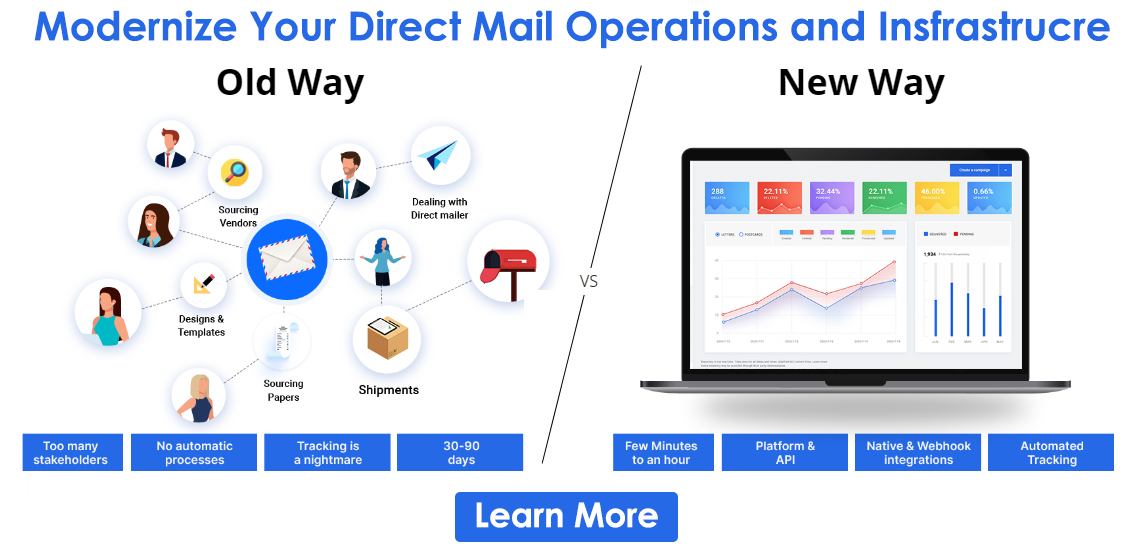
PostGrid allows you to print and ship marketing, transactional, and compliance items without your staff using sequential numbering or other complex printing strategies. You can sign up to use PostGrid’s API, dashboard, or software to manage your printing activities online. Our printing partners are experts in their fields and can handle these tasks on your behalf.
You can produce and send anything, from marketing postcards to compliance notices. All you must do is integrate PostGrid’s Print & Mail API into any of your favourite platforms, including HubSpot, Zapier, Salesforce, Stripe, QuickBooks, etc. You can also sign in on our online dashboard and schedule campaigns from anywhere worldwide.
The best part is that PostGrid allows you to send national and international mailpieces with sequential numbering in any volume. Also, you get high-tech features like address standardization, geocoding, pre-built templates, real-time tracking, etc.
Contact us to learn more about sequential numbering printing and how to handle print tasks online with PostGrid!