

How to Create and Read an Explanation of Benefits Statement (EOB)?
The healthcare insurance industry is a critical and competitive landscape in Canada. Proper documentation is vital to avoid misunderstandings, overbilling, and false claims.
Patients often have no clarity about their medical expenses when they visit a physician.
Considering the high healthcare prices in Canada, it becomes vital to buy a health insurance plan.
However, we must understand the use of critical documents like Explanation of Benefits to manage our bills. An insurance carrier is responsible for providing you with an EOB document for your claim to acquire a health care services.

It is often hard to understand the processes of healthcare insurance policies. The existence of so many plans, policies, and providers makes it more challenging. However, policyholders must have a basic understanding of their coverage and benefits to save money.
An Explanation of Benefits is more than a piece of paper. It provides a comprehensive list of healthcare transactions. Users get better clarity about the services they use and the costs they need to pay.
This blog is the perfect place to understand the fundamentals of EOB. We will also explore an example of an Explanation of Benefits.
What is an Explanation of Benefits (EOB)?
Healthcare insurance companies provide a written explanation about the costs they are paying and the amount the patient must pay. Sometimes, this document comes with a benefits check. However, the insurers usually send the payment directly to the healthcare provider.
Don’t consider an Explanation of Benefits example as a bill. EOB is not a bill but a statement of expenses.
It might explain the charges a patient still owes. The healthcare provider will send a separate bill if the patient owes some money after the insurer provides the coverage.
This separate bill must match the section present on the EOB. A healthcare provider, including a doctor, hospital, or lab, could be anyone. Policyholders must get an EOB regardless of how much of the bill their insurer is paying.
Sometimes, the insurer might not be paying anything. However, we cannot undermine the value of getting an EOB. People can ask for an EOB if they got the insurance on their own or from their employer.
Considering the enormous medical bills in Canada, people must obtain a healthcare cover for their well-being and financial security. It saves them during medical crises and keeps them away from piling medical bills.
What are Deductibles, Copay, and Coinsurance on a Medical Bill?
An insurance company might pay the full or some portions of your medical bills. However, we must understand everything different financial instruments applicable to healthcare insurance.
- Deductible. It refers to the amount a policyholder pays to receive healthcare services before their insurer begins to provide coverage.
- Copay. It is the fixed amount policyholders pay for a healthcare service that comes under their insurance policy. It is usually due before the insurer provides coverage. Copays could be different for each service of an insurance plan. Policyholders must pay different copays for primary care. Emergency care copays are a lot higher than other copays.
- Coinsurance. It is an amount the policyholder must pay towards the claim, depending on your insurance benefit. This amount is different from any copayment or deductible.

What are the Explanations of Benefits Denial?
The insurer provider often helps people understand why their EOB may have a coverage denial. Policyholders may experience a denial for various reasons. Here are some of the most common reasons you must know;
- The health insurance plan benefits do not cover the service a policyholder had. These services are also popular as non-covered benefits.
- The insurance coverage expired before the individual got the service.
- The policyholder got the service before being eligible for insurance coverage. Insurance companies refer to these individuals as ineligible for coverage.
Sometimes, the insurance company might provide an EOB if you provide specific information after a denial. Be specific with the description and overview of the additional data.
Here are some details you should give to the insurer;
- Details of an accident.
- Medical records specifying pre-existing conditions
- Provide any additional information that the insurance company might need.
The insurance company requests users to update their coordination of benefits (COB) details annually.
How Does an Explanation of Benefits Work in Health Insurance?
The process is generating and sending an Explanation of Benefits example is relatively simple.
- An individual visits a clinic to get a doctor’s appointment.
- The physician then sends a claim or bill to the individual’s insurer.
- The health insurance plan will determine the part of the bill the insurer is liable to pay. Then, they will release an Explanation of Benefits (EOB).
- The insurance plan will pay for the doctor’s office bill or a portion.
- The physician will send you a bill for the remaining amount you owe.
How Long Should You Retain Your EOB?
Policyholders must retain their Explanation of Benefits until they receive the final bill from the physician or healthcare provider. Many insurance companies make it easy for their customers to view their past EOBs online these days.
Individuals don’t need to hold a physical copy if their insurer provides an online account. This document is necessary to cross-verify the amount individuals owe on the final bill. It clearly shows the amount they must pay to the doctor’s office.
The insurer may send multiple EOBs if the beneficiary gets more than one type of healthcare service or treatment. For example, there will be two EOBs if you visit a hospital: one for registration charges and another for the physician’s time.
Users must try to itemize the services they receive to confirm the amounts for each visit or hospital stay. This tip is vital even for those with multiple EOBs.
What Happens if You Don’t Get an EOB? Should You Contact Your Insurer?
If an individual has a health plan, then their doctor’s office also has their insurance information. Generally, the physician, clinic, or hospital is responsible for submitting the insurance claim for the patient.
However, sometimes, they might not have the capability, or the patient may prefer to reach an out-of-network provider. The individuals must submit the claims themselves in such situations. Their healthcare provider will send a bill before they receive an Explanation of Benefits.
There are many situations where the beneficiary may not receive an EOB. For example, many insurance companies don’t send an EOB if an individual doesn’t need to pay anything.
Insurance experts often recommend people not to pay their clinical or hospital bills until they receive their EOB for that healthcare service. This way, patients can be confident that they are not overpaying the provider.
Insurance companies must be ready to answer questions about a bill or an Explanation of Benefits. It fosters healthy relationships and trust.
What Amount You Must Pay After Getting EOB?
Each insurance plan will clarify its contribution and the policyholder’s responsibilities. It is vital to thoroughly read these sections on an example of an Explanation of Benefits.
- Billed Amount. It refers to the total charges for a particular medical service.
- Allowed Amount. It is the amount that the insurance deems reasonable to pay for a specific healthcare service. However, the payment highly depends on the plan’s coverage.
- Insurance Payment. It refers to the portion of the allowed amount that the insurance company will cover.
- Amount Owed. The EOB also mentions the remaining amount the policyholder is responsible for. It covers copays, coinsurance, and deductibles.
Insurance companies often educate their customers about their details and responsibilities through marketing and communication campaigns. Policyholders should also contact their insurers for further clarification.
What Does an EOB Contain? Do You Recieve Any Additional Information? How an EOB Can Help?
An example of an Explanation of Benefits contains a lot of critical information to understand and track your healthcare expenses. It also serves as a payment reminder about the services you got during the past years.
Patient
Every EOB mentions the full name of the person who got the service. It could be either the policyholder or one of their dependents.
Insured ID Number
An insurance company would assign a unique identification number to its policyholders. This number must match the number on their insurance cards.
Claim Number
Insurers assign numbers to a claim from the policyholder or their healthcare provider. This number brings more clarity to the nature of allegations and healthcare services. Individuals need this number apart from their ID number to enquire anything about their specific health plan.
Provider
This section specifies the name of the provider providing healthcare services or treatment for the policyholder or their dependent. Usually, it’s the name of a physician, clinic, hospital, laboratory, or other medical facility.
Type of Service
The insurance company must define a code or describe the healthcare service their beneficiary got from the provider.
Date of Service
The insurer needs to mention the start and end dates of the healthcare service the policyholder received from the provider. For example, the start and dates will be the same if the claim is for a doctor’s office visit.
Charge
This section provides a detailed breakdown of the charges billed to the insurance company for a particular service.
Not Covered Amount
It refers to the amount the insurer won’t pay to the provider. There will be a separate code near this section that explains why the insurer didn’t pay the amount. The bottom of the EOB usually describes these codes.
Amount the Health Plan Paid
This section shows the actual amount the health insurance plan paid for the medical services.
Total Patient Cost
Individuals can check the amount of charges they owe as their share of the bill. The charges usually depend on the plan’s out-of-pocket requirements. An individual’s annual deductible, copayments, and coinsurance determine the actual amount.
Real-World Example of Explanation of Benefits
You must consider this Explanation of Benefits example if you want to create your documentation:
Mr. Peter F. is a 65-year-old man suffering from type 3 diabetes and high cholesterol. He uses a healthcare insurance plan and sees his physician every four months for an examination. His insurer sends an EOB four weeks after this last visit with the following information;
- Patient. Peter F.
- Insured Number. 56291-202042224-00 (Peter’s Healthcare Insurance Plan Identification Number).
- Claim Number. 42345953 (the insurance company must assign this number to identify the specific claim).
- Provider. Samuel Haufman. MD (Name of Peter’s physician).
- Type of Service. Follow-up Doctor’s Office Visit.
- Date of Service. 2/15/24 (the day when Peter had a doctor’s office visit with Dr. Samuel Haufman.
- Charge. $193 (Mr. Peter’s Plan will be liable for this amount).
- Not Covered Amount. $70 (Mr. Peter is liable to pay this portion of the bill).
- Total Patient Cost. $20 (This amount is for Mr. Peter’s office visit copayment).
- Amount Paid to the Provider. $103 (Mr. Peter’s insurer paid this amount to the healthcare provider.
What About the Confidentiality of EOB?
Insurance companies usually send the EOB document to the primary policyholder, even if the medical services are for a dependent. They must maintain high confidentiality to ensure adherence to regulatory compliance.
However, it could be a problem in some situations, especially if the dependent is a young adult. Some UK states have specific laws to protect the medical privacy of individuals who identify as dependents. It’s vital to understand states cannot govern self-insured health plans. These policies apply to the majority of employer-sponsored health plans.
How Can PostGrid Print & Mail Help You?
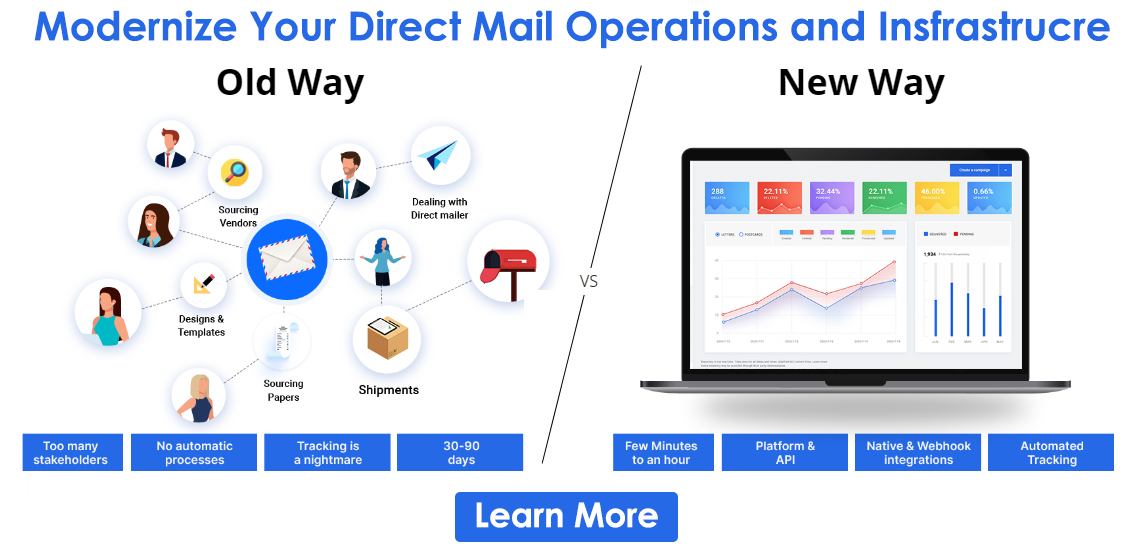
Healthcare insurance has various administrative tasks to maintain documentation. It is often challenging to keep up with these activities. Companies have time and budget constraints to manage a manual mailroom for sending critical communication.
An automated solution can save the day with streamlined workflows for professionals working in an insurance firm. PostGrid direct mail API is a fantastic automation tool to create, print, and send official documents at any scale.
The API works flawlessly by integrating into your existing software and tools. You can define custom workflows to send the Explanation of Benefits examples to your customers.
Request a demo now to learn how to use and send Explanation of Benefits examples.