
Paper Folding Options to Use for Your Next Direct Mail Marketing Campaign
The performance of your marketing campaigns depends on your mailing list (40%), your offer (40%), and your design (20%). This advertising rule by Ed Mayers applies to your direct mail initiatives, helping you focus on the elements that matter most. However, many people think of the design as just the mailpiece artwork.
Businesses must attribute 20% to the artwork, paper quality, folds, and finishing. Even a single paper fold can significantly affect your campaign’s response and conversion rates. Of course, you must use these folds practically based on the format you select.
This blog discusses everything your business must know about paper folding options, why they are crucial, and other ways to enhance your mailpiece appearance. You can also learn how to conduct a direct mail marketing campaign online without putting in manual effort and wasting money. Let us get to it!
Key Takeaways
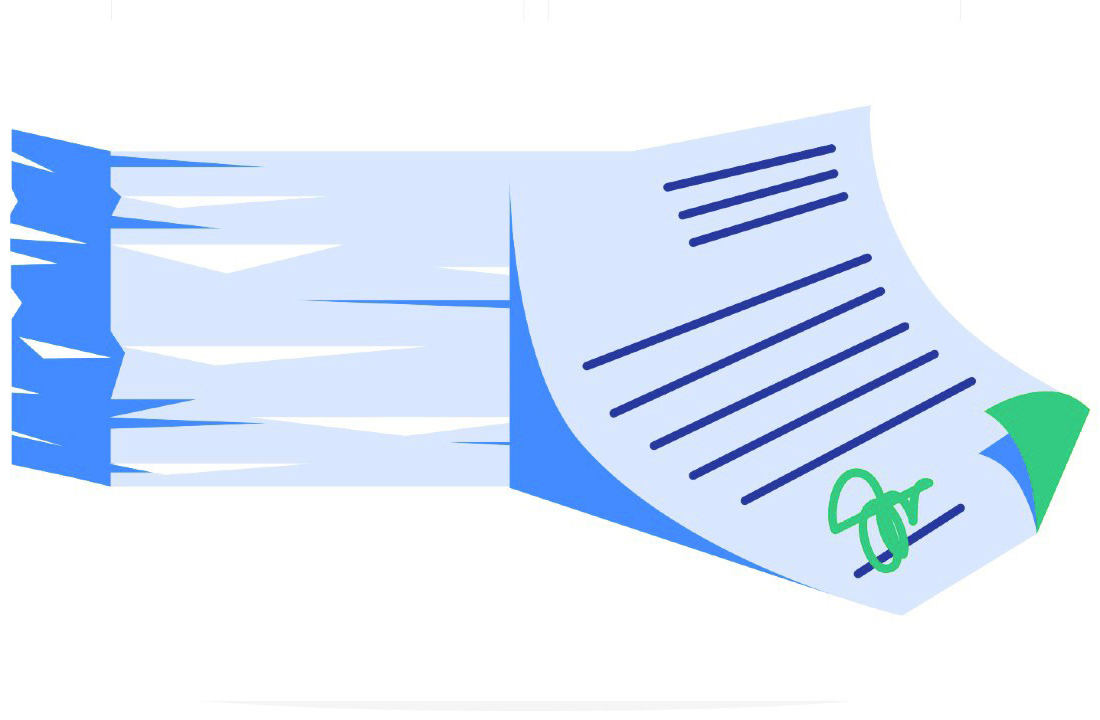
- Paper folding allows businesses to add different appearances to their direct mail items to catch their recipients’ attention and compel them to read their marketing messages.
- You can select from many standard paper folding options, like the half-fold, Z-fold, gate-fold, etc. Every fold helps you create unique looks and can add different sections to your mailers, helping you add more information about your products and services.
- Please note that some folds only suit broad-sized mailpieces to prevent your items from looking cluttered. Hence, you must focus on the graphics and the content placement.
- Businesses can use many custom folds, like stepped double parallel and tapered roll folds. It is crucial to use the right folds because they can make or break your direct mailers and impact your campaign performance.
- Other ways to enhance your direct mailpieces are personalizing the content and adding relevant images to make them more appealing to your audience. You can use PostGrid’s Print & Mail solution to conduct the mailings under one roof and save money.
What Are the Standard Paper Folding Options?
Businesses have several standard paper folding choices that many printing companies provide without hassles. These options are easy to execute and can convert your simple direct mail items into something that looks more professional. Here are some examples:
Half-Fold
You can easily use this fold on different paper sizes, like 8.5″ x 11″, 8.5″ x 14″, and 11″ x 17″. Also, you can incorporate them into smaller sizes, like 4.25″ x 6″, based on your content and objectives. Half-folds allow you to fold a landscape paper sheet into half horizontally and a portrait sheet into half vertically. However, many businesses fold landscape paper vertically for a better look and feel—to create a card-like appearance. You can popularly see half-folds in greeting cards.
Idea: It is best to avoid using half-folds when sending postcards because it takes away the nostalgia from postcard mailers. Instead, fold your letters in half and write your marketing messages and offers inside as a surprise for your direct mail recipients.
Tri-Fold
A tri-fold allows you to have more layers within your direct mailers. For example, you can advertise three to four products and services within the same mailpiece in different sections. You can also use this extensive space to add in-depth information about one topic.
Though you can fold small-sized mailers three times, using a broader size for tri-folds is better. It makes your item look less messy and pops your message more! There are no restrictions on how to fold the mailpieces thrice—you can divide one broad paper sheet into three equal parts and fold the left and right parts into the centre. Or you can fold the left part on the centre and the entire thing on the right. However, please remember that the item should be easy to open, and people should find the opening flap without trouble.
Idea: Use a tri-fold for pamphlets and brochures to better showcase details about your brand with a lot of graphics, images, testimonials, and other elements. Always use large-sized paper sheets and make all sections the same size.
Z-Fold
Many people think of the Z-fold as being the same as the tri-fold, but they are different. Tri-folds are usually opened like an overlapping gate, whereas opening Z-folds is slightly more complex. Printers make three equal sections, then fold the left flap on the centre from the front side and the right flap on the centre from the backside. It creates a Z-like appearance that quickly catches people’s eyes and compels them to read your content.
Idea: You can use Z-folds for your marketing and educational flyers. It is best to create awareness about a topic and get people to complete a Call to Action (CTA), like registering for a programme or scheduling a consultation.
Gate-Fold
A gate-fold direct mailer appears unique and engaging. It justifies its name by opening and closing like a gate. You can create it by dividing your paper sheet into three sections; the centre part should be the largest. The right and left parts should together equal the size of the central section so that when you close the flaps in the centre, it looks like a gate. This fold is popularly referred to as the open gate-fold.
The close gate-fold is opposite to the open fold because you close the flaps backward instead of the front side. Thus, it creates the illusion of a doorless gate. Readers can turn the mailpiece around and see it as an open gate-fold. Or they can open the flaps from behind. You can guide them on how you expect them to open and read the item using your messaging and graphics. However, sticking with the open gate-fold is always recommended to avoid misinterpretation and hook your mail recipients.
Idea: Use a gate-fold with minimalist designs and colours to not overwhelm your audience. You can add headings and taglines outside with your brand name, logo, and contact information. All the other details can go in the central section, helping people read and remember the information better.
Quarter Fold
Also known as the French fold, this fold helps you create many parts within one mailpiece. You can fold a landscape paper sheet horizontally (from top to bottom) and then vertically (from left to right). It creates eight sections, four on the front and four on the back, which you can use according to your messaging.
The French fold is best for catalogue-style mailpieces when you want to explain many products or services in one item. You can also use it to send compliance mailers, such as terms and conditions sheets.
Idea: Businesses must incorporate the quarter fold only when necessary, like sending instruction sheets with an appliance. Furthermore, you can use it to print and mail items to long-term customers that justify the hefty investment such broad printed materials demand.
Custom Folds and How to Use Them
Apart from the standard paper folding options, you can get creative and use custom folds to make your mailpieces stand out. Though they might be challenging to execute (primarily for large-scale items), it is worth it to use these folds if they align with your messaging. Here are some examples:
Carrier Combo
It is a special paper fold used primarily for mailing letters or postcards. This carrier combo fold combines a primary letter or message with a reply card or coupon. The reply card is usually attached at the bottom or side and can be easily torn off by the person receiving it.
This type of fold makes it easy for customers to reply, order something, or send feedback. Businesses use this fold to save money and space because everything is printed and folded together instead of using separate papers for letters and reply cards. You can think of carrier combo folds as a type of Business Reply Mail (BRM).
Stepped Double Parallel
You can create this fold by folding the paper sheet in half and then folding each half again. It gives you four panels that fold neatly on top of each other. The panels are slightly different sizes, so each one is a bit shorter than the one before it, creating a stepped effect where you can see part of each panel.
The stepped double parallel is helpful for brochures or letters where you want to show headings or sections at a glance. It helps customers quickly find information, making it a popular choice for marketing materials and mailers.
Asymmetrical Accordion
It is a type of paper fold with several panels, but the panels are different widths instead of all being the same size. The paper folds back and forth like a fan. This design suits you when you want to highlight various sections or steps in your message, with some panels getting more space for important information. It gives a creative look and helps guide the reader’s eye in order. Businesses often use this fold for brochures, product guides, or event programmes because it’s unique, easy to flip through, and stands out from regular folded papers.
Tapered Roll Fold
It is a unique fold that gives a polished feel, wherein the paper rolls or folds inwards, one panel at a time, but each panel gets narrower than before. It ensures the panels fit neatly inside each other when folded. You can use this fold for mailpiece designs where you want to reveal information step by step as people open your mail item.
Businesses often use this fold for invitations, product reveals, or creative brochures. It adds a sense of surprise and keeps readers curious about what’s next.
Why is Using the Right Paper Folds Significant for Your Direct Mail Items?
Make Your Mailpieces Look AttractiveUsing the right paper folds helps make your direct mail look neat, professional, and easy to read. A clean, well-folded mailpiece grabs attention and makes people want to open and read it. Messy or awkward folds can make your mail look cheap or confusing. When the fold lines match your design, your message and images fit better on the page. It makes your offers, logos, or headlines stand out as planned. |
Save Money by Making the Right Use of PaperMake the best use of each paper sheet to cut expenses and avoid wastage. Innovative folding helps you fit more information on fewer pages, reducing printing costs. It also helps your mailpieces fit into smaller envelopes, which can minimize postage fees. If your paper is folded correctly, you avoid wasted paper from bad cuts or designs that don’t align. Hence, you can get the most value for your money while keeping your direct mail clear, professional, and cost-effective by focusing on paper folding options. |
Make Mailing and Delivery EasierWhen everything fits well, it’s easier to seal, stack, and sort for mailing. It reduces the chances of jams in sorting machines or damage during delivery. Proper folding also helps meet postal guidelines, letting you skip paying postal surcharges or facing delays. Well-folded mail items travel more smoothly through the post office system, arriving in better shape and on time. Making mailing easier saves time, reduces errors, and helps ensure your mail reaches your audience looking neat, not bent or in bad form. |
Improve Readability and Customer ExperienceProper paper folds make your message easier to follow. Readers don’t have to struggle to find crucial information when your content flows naturally from one fold to the next. Primary offers, images, or calls to action appear correctly, letting people take the next step. Poor folding can hide important details or make your design feel confusing. However, a smooth reading experience keeps your audience interested and increases their chances of responding to your offer, which is possible if you incorporate the right paper folding options. |
More Tips to Enhance Your Direct Marketing Mailers
Focus on Paper Quality and Weight
The thick, sturdy paper feels pleasant to hold and makes your mail look more professional. Thin or flimsy paper can tear easily or get damaged during mailing, which makes your business look less credible.
Paper with a smooth finish helps colours and images look clear and bright. For postcards or self-mailers, heavier paper helps them stay flat and firm. Picking the right paper stock also helps your design look its best, ensuring your message stands out and leaves a good impression on the people who receive it.
Include Relevant Imagery
Adding the right images to your mailers helps catch your audience’s attention and clarify your message. Pictures, logos, or icons can quickly convey your message before someone starts reading. Use images that match your product, service, or offer so people understand immediately.
Bright, high-quality images make your mail look more engaging and authentic. Avoid using too many pictures (the same way you must avoid using too complex paper folding options), which can make the page look messy. Place images near significant text, like headlines or offers, to make your message stand out.
Personalize Your Messages
It makes people feel special and helps you connect better with them. Instead of just “Dear Customer,” use the person’s name. You can also mention their past purchases, location, or interests if you know them.
People are more likely to read and respond when they see a message made just for them. Personal touches show your business cares about them, not just selling something. The best part is that adding names and other personal details to your mailpieces has become easy and affordable by using a Print & Mail solution like PostGrid.
Add Custom Offers and CTAs
These elements make your mailers more effective. Give people deals or discounts matching their needs or interests, like a special offer for first-time buyers or discounts on products they have bought. A strong CTA tells them precisely what to do next—like “Call now,” “Visit our website,” or “Claim your discount today.” Place your offer and CTA where they are easy to see so people don’t miss them. Custom offers and clear instructions make it easier for customers to take action, helping you get better results from your mailers.
How Can PostGrid Help Businesses Send Direct Mailpieces With Different Paper Folding Options?
PostGrid’s Print & Mail API allows you to design, produce, and ship different mailpieces to target audiences. Using a single platform, you can send marketing postcards, transactional documents, or compliance notices anywhere, nationally and internationally.
We help you get several high-tech features, such as Intelligent Mail Barcode (IMB) tracking, presorting, automatic stuffing, labelling, campaign analytics, etc. Thus, you can conduct well-planned and advanced online campaigns without investing much!
You can start by choosing from our pre-built templates, letting you create mail artwork without spending on paid templates or enlisting a graphic designer’s help. Quickly get your design ready and add your mailing contacts in CSV format. PostGrid automatically checks and verifies your customers’ delivery addresses to ensure the items arrive at the accurate locations.
Talking of paper folding choices, you can select the paper size when working on the templates. Also, you can contact our team to discuss what folding options you have in mind, which can be easily provided by our printing partners.
Talk to our sales team now to discuss your requirements and goals and start conducting custom direct mail marketing campaigns!