
Enhancing Document Delivery for Insurance Policies With Secure Mailing
Insurtech is all about innovation and technology, but this innovation cannot take place without communication among different teams, departments, and customers. Being a trust-based industry, insurtech businesses require a secure mailing infrastructure to send policy documents and other critical documents to customers and other stakeholders. Relying on traditional in-house mailrooms can hinder operational efficiency, inflate costs, and introduce compliance risks.
This blog explores the need for secure mailing solutions in the insurtech space. It highlights key barriers to efficient communication and the transformative benefits of automation and compliance-focused systems.
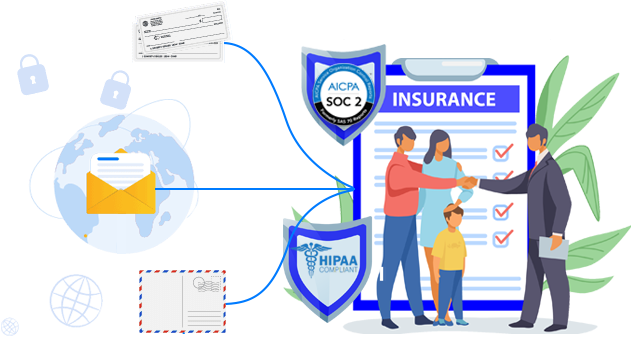
Key Takeaways
- Traditional in-house mailrooms require a lot of initial investment and a large workforce.
- Security and privacy are paramount issues in a highly regulated industry like insurtech.
- A lack of visibility in the mailing process may lead to delays and inadequate customer engagement.
- Variable Data Printing (VDP) technology is necessary for the dynamic personalization of individual policies.
- Delay and inefficiency in the address validation process result in the untimely delivery of policy documents.
- Custom workflows and integrations help insurtech companies synchronize data and schedule mailers better.
- API-driven print and mail solutions can lower printing and mailing costs by a considerable margin.
- Insurtech communication must adhere to various strict regulatory requirements.
Barriers to Insurance Policy Documentation Mailing in InsurTech
Huge Operational Costs
Traditional mailrooms incur substantial costs for equipment, supplies, and labor. For startups and scale-ups, these costs quickly become a financial burden. Despite the growing popularity of digital communication, physical mail remains indispensable for transactional documents, as customers often view it as more credible and secure.
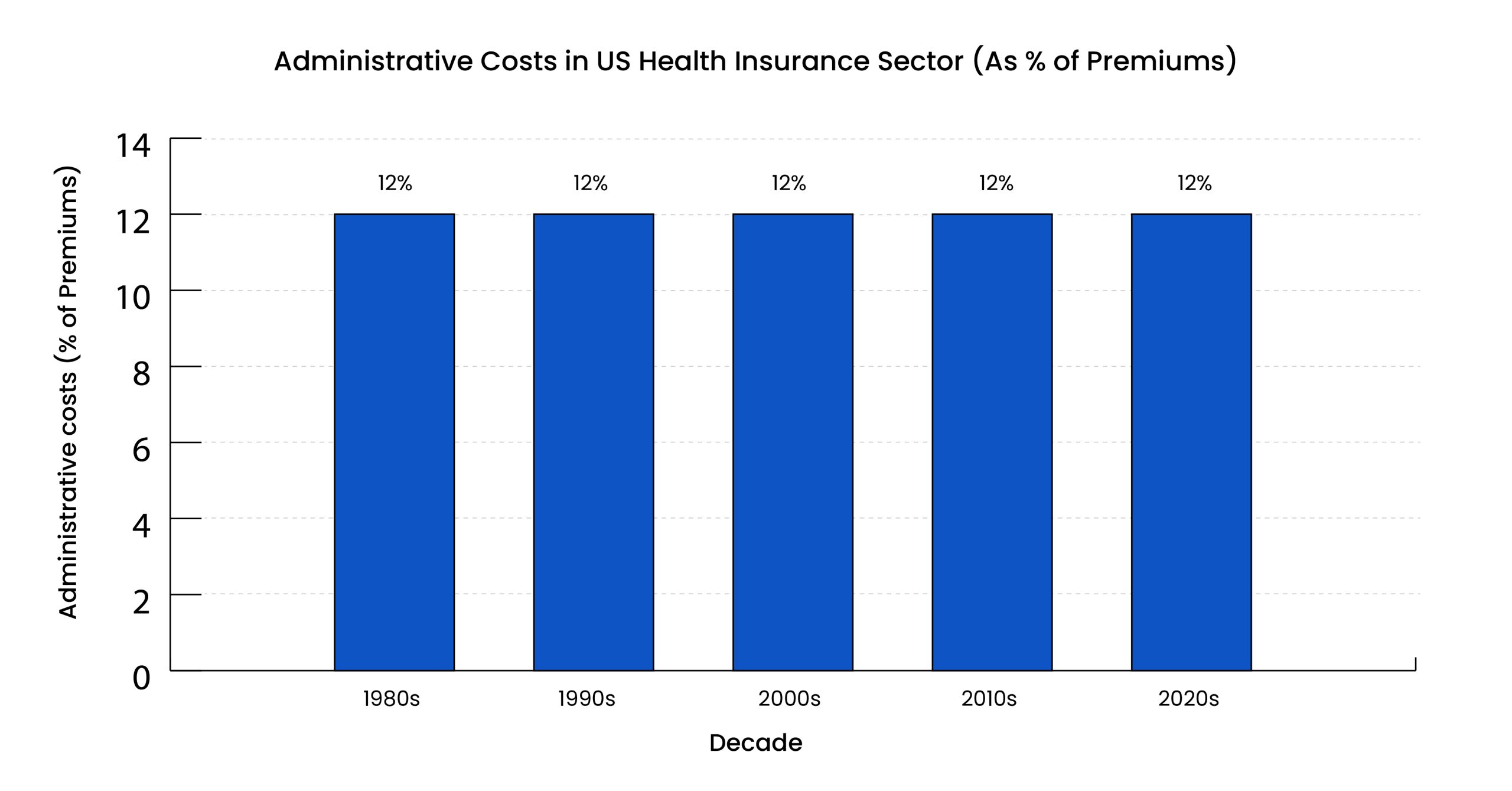
In the US health insurance sector, insurance providers have faced administrative costs of around 12% of premiums throughout the past four decades. Insurtech companies are desperately looking for a way to save on printing, packaging, postage, and labor.
| Value Tip: Conduct an operational cost audit to identify areas where automation could reduce expenses, such as bulk printing or postage. |
Compliance and Security Concerns
Every insurance document has sensitive personal information, which could compromise someone’s identity and financial details. Some policy documents could even have health records. Data breaches and privacy concerns are common in insurtech companies with in-house mailing operations.
The Office of Civil Rights (OCR) registered 725 data breaches, exposing or disclosing over 133 million records. These concerning numbers are understandable since keeping up with strict regulatory requirements is becoming more challenging. Regulatory frameworks like HIPAA, GDPR, and SOC-2 demand stringent safeguards, yet traditional mailrooms often fail to meet these requirements.
Cybersecurity is also a significant concern for insurtech companies in the world of malicious hackers and intruders. They cannot make their mailrooms prone to security risks while keeping other operations absolutely secure with encryption. One effective measure is to implement VPN security to ensure that sensitive data remains protected, even when accessed remotely.
| Value Tip: Implement secure printing and mailing platforms with built-in compliance checks and data encryption. Regularly update your mailing processes to align with evolving regulations. |
No Tracking Mechanism to Monitor Customer Engagement
While digital communication offers robust tracking, traditional mail lacks real-time monitoring tools. A lack of visibility can create chaos and confusion, impacting transactional mail campaigns and damaging your reputation.
A recent Deloitte survey suggests that an investment in document-tracking systems reduces operational costs by 30% and increases overall productivity by 20%. Things could be more challenging when an insurtech company sends policy documents through multiple channels. There’s no sync between the two mediums, and professionals cannot precisely predict when customers will receive the mailers.
The lack of real-time tracking prevents customers from knowing when they receive or read the policy documents. Traditional in-house mailers also lack modern Intelligent Mail Barcodes (IMBs) and interactive elements like QR codes or PURLs for campaign monitoring.
Manual Data Entry and Human Errors
Traditional document delivery workflows rely heavily on manual processes, from data entry to document handling, increasing the likelihood of errors. Mistakes in customer information, incorrect addresses, or mismatched documents can damage customer trust and lead to compliance violations.
Manual workflows also lack the scalability needed to handle large volumes of policy documents, making meeting deadlines during peak periods challenging. Personalization—essential for customer-centric communication—is often overlooked or poorly executed due to manual limitations.
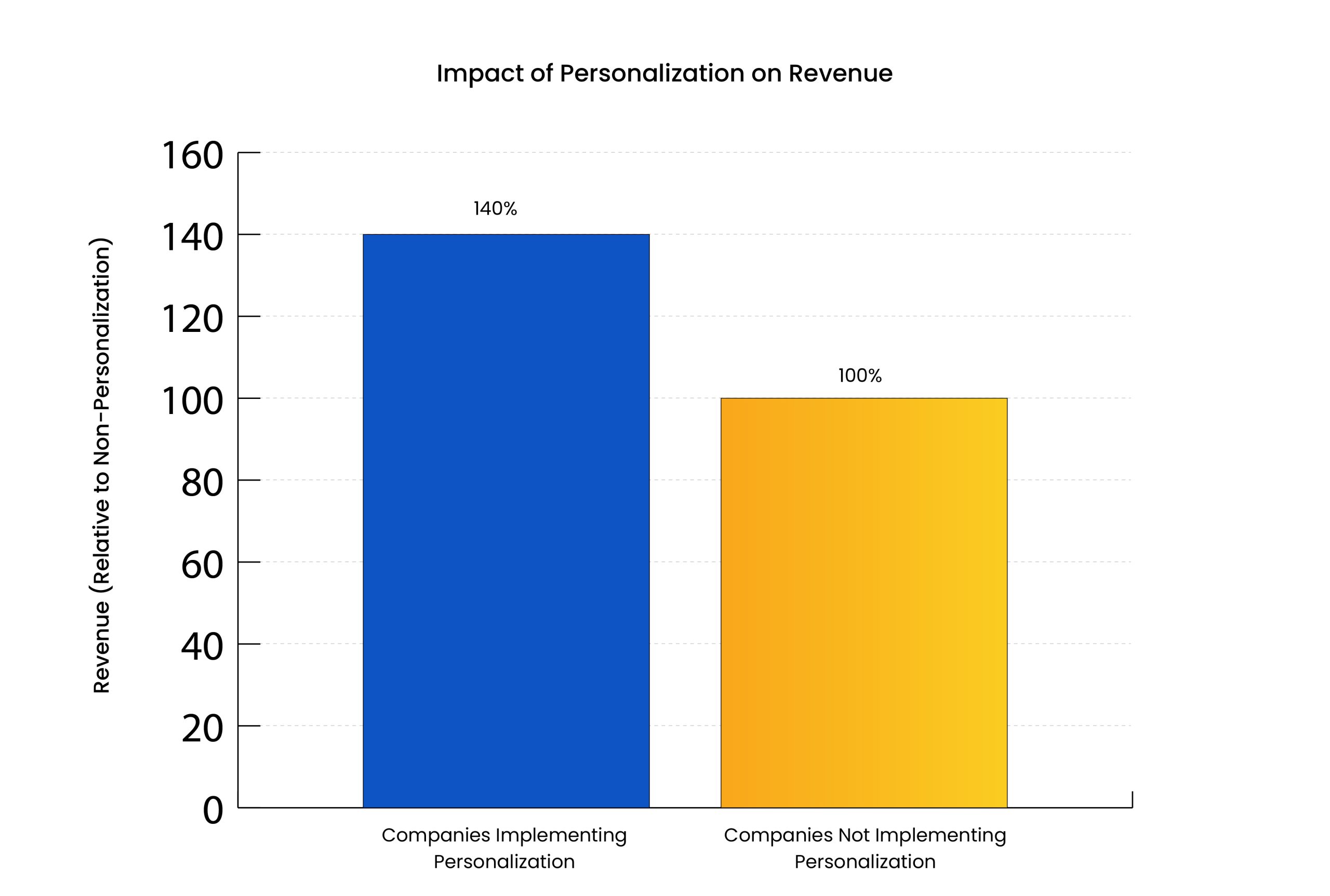
A McKinsey study shows that companies that implement personalization generate 40% more revenue than companies that don’t. However, manual systems make it nearly impossible to implement dynamic personalization efficiently.
Untimely Documentation Delivery
Insurtech companies cannot afford to deliver policy documents to the wrong recipient, which can expose sensitive personal information to data breaches or identity theft. These companies manage massive customer databases with thousands of postal addresses.
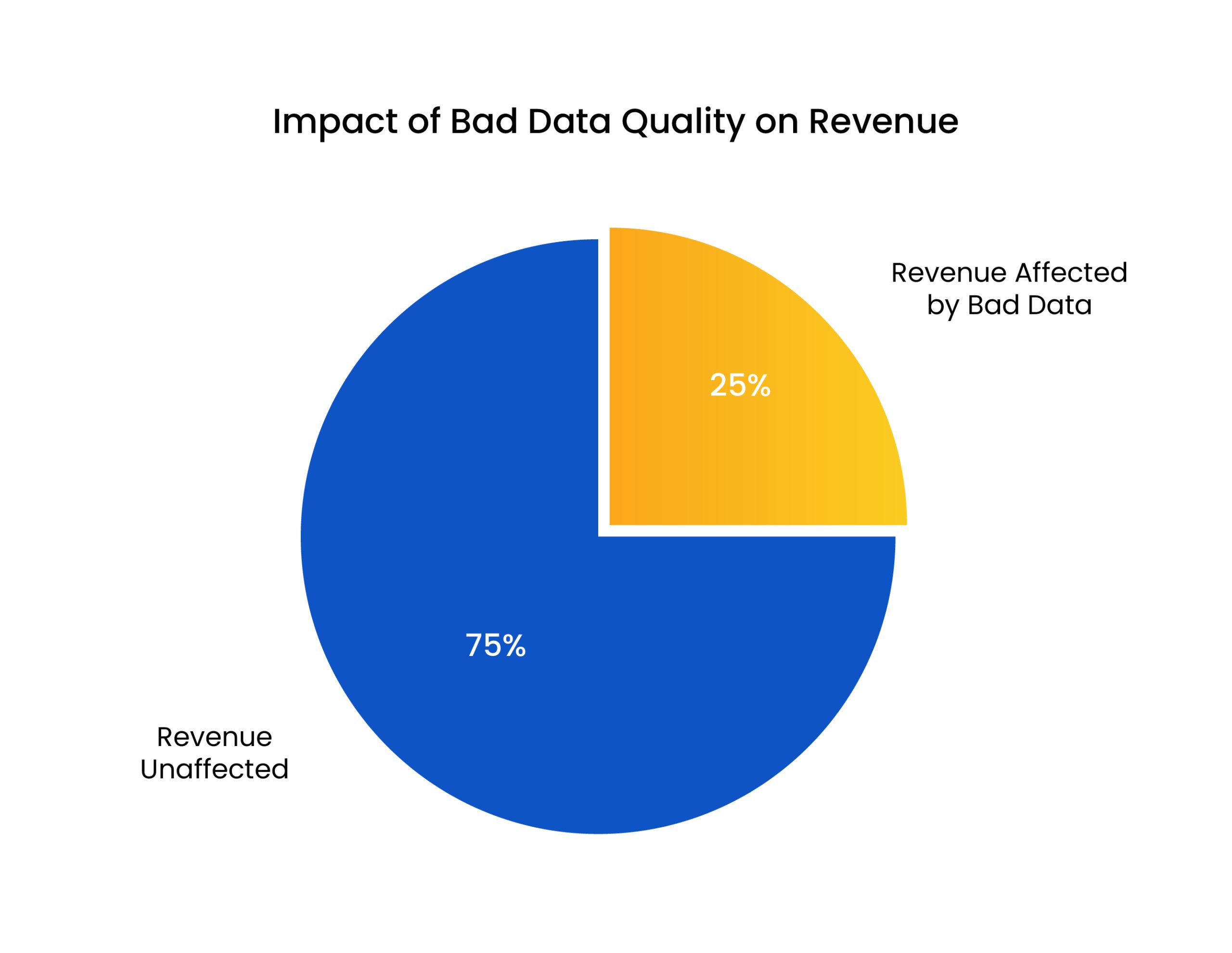
Manual in-house mailrooms have inadequate validation tools to verify and update customer addresses in the database. In addition, the mailing staff has to manually check and update individual addresses, making the process utterly inefficient. A Monte Carlo Data survey highlights that organizations reported that bad data quality affected 25% of their revenue.
This delay and inefficiency in the address validation process results in the untimely delivery of policy documents. Insurtech companies need a robust system to validate and update addresses in real-time. Undelivered or misdelivered packages increase mailing costs and security and compliance concerns.

How Does Secure Mailing Improve Insurtech Offline Communication and Operational Efficiency?
Custom Workflows With Integrations
Insurtech companies rely heavily on digital systems, from risk assessments to claims processing. They use flagship CRM software, analytics tools, chatbots, marketing automation tools, and more. A traditional in-house mailroom with zero automation capabilities reduces the company’s efficiency.
Secure print and mail platform provides native integrations with other systems. It limits manual data entry and allows businesses to set up custom workflows and triggers to send policy documents.
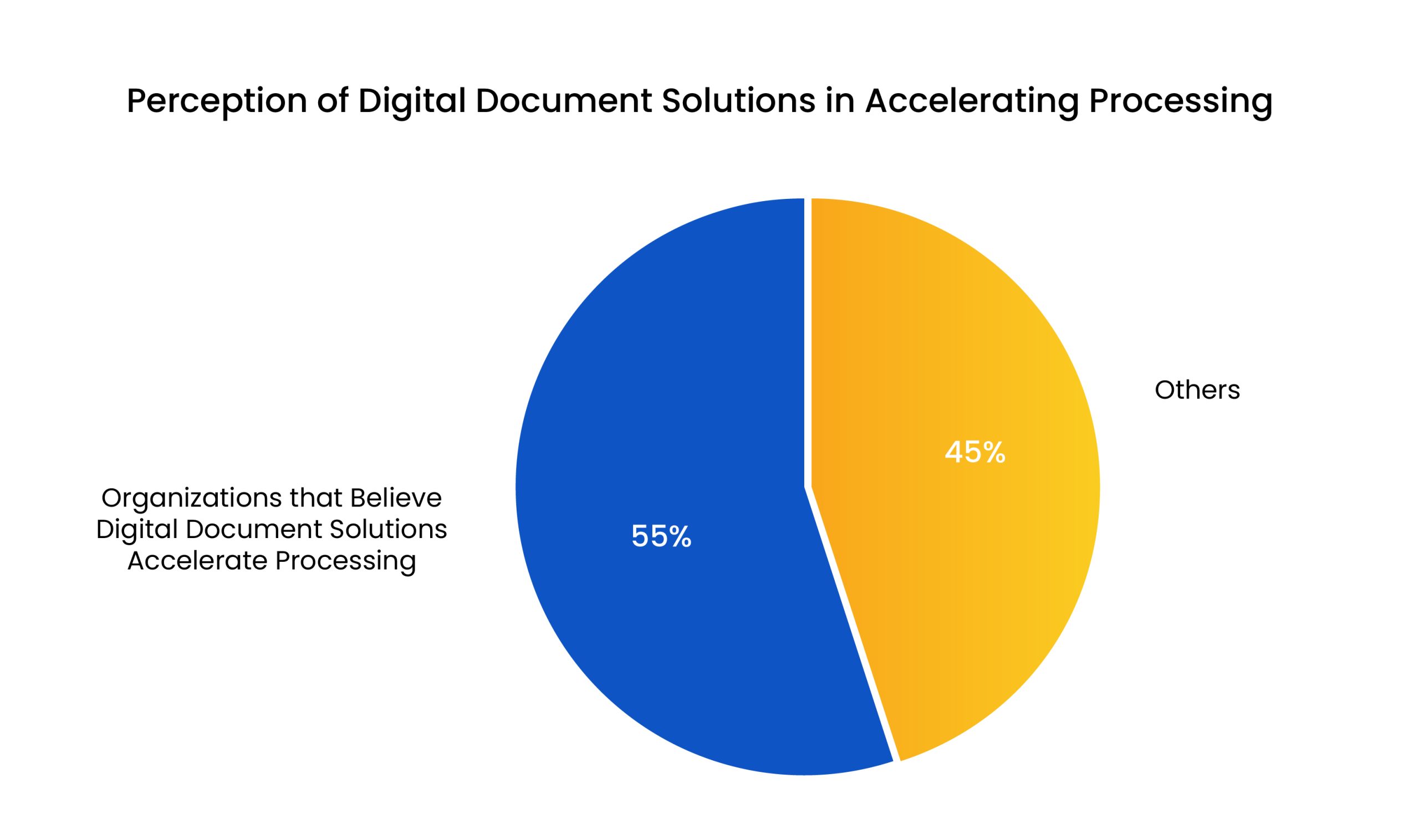
For example, they can create a chain of user actions to send these documents to the correct recipients. 55% of organizations believe digital document solutions are the primary advantage of accelerating document processing. Integrating print and mail workflows with other systems introduces the automation of transactional documents.
Lower Printing and Mailing Costs
An in-house mailroom requires a lot of initial investment in printers, folding and sealing machines, supplies, maintenance, and storage. It becomes expensive for insurtech companies to generate and mail policy documents physically, creating a massive operational bottleneck.
An API-first secure print and mail solution handles everything from printing documents to mailing them to the correct recipient, eliminating the initial investment to set up a mailroom. Moreover, some automated print and mail solutions can also provide bulk mailing discounts to further reduce the cost of your insurance postage. These vendors work with various shippers and commercial printers to keep the printing and mailing costs low.
Custom Mailing Lists
API-first mailing solutions provide dedicated dashboards to help insurtech businesses create custom mailing lists tailored to specific campaigns or operational needs. For example, you can create audience segmentation for low- and high-income groups to sort policy documents accordingly.
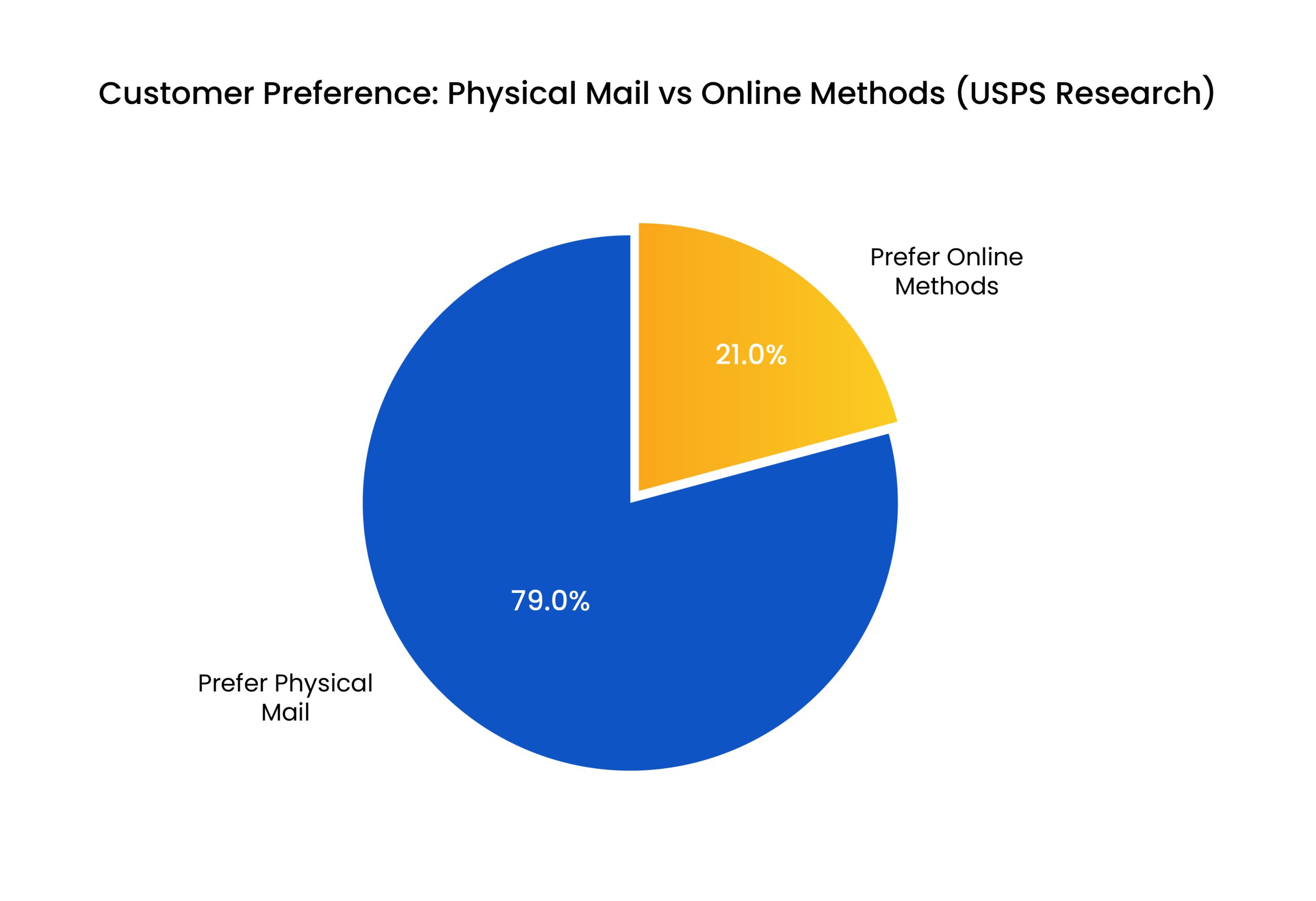
The advanced segmentation tools also effectively target specific ZIP codes and localities based on their life stages and needs. It creates relevancy to the messages you send at the right time. People already pay huge attention to anything coming to their physical mailboxes. USPS research suggests that 79% of customers find receiving physical mail more convenient than online. You can tap into this audience by compiling lists based on demographics like annual income, age, and profession.
No Minimum Mailing Requirements
Outsourcing your insurance mailing tasks lets you send documents regardless of volume. An insurtech company can send as little as one mailer without minimum requirements. The print and mail solution adapts to your campaign’s goals and budget, providing a highly scalable infrastructure.
Mail at Your Convenience
An automated and secure solution provides an online dashboard for preparing and mailing insurance documents. Some might offer dynamic personalization with Variable Data Printing (VDP) technology.
It reduces manual data entry in policy documents and eliminates the chances of human error. The insurtech company can prepare, print, and mail transactional mail from anywhere without worrying about logistics, running costs, and storage. Despite the quick SLA, you also get scheduling tools to preplan your insurance policy document mailings prior.
Complete Printing and Mailing Fulfillment
In-house print and mail require you to constantly communicate with commercial printers, mailing list brokers, postal services, etc. An insurtech company must hire a dedicated staff member to run the in-house mailroom efficiently. It adds additional cost to your communication budget and takes more of your precious time.
A print-and-mail solution manages everything from start to finish. You don’t need to hire staff with specialized skills to enjoy a seamless transactional mailing experience. Everything is handled via a dashboard, which provides unique capabilities like variable data printing, easy template customization, and high-quality graphics.
Role of Data Security and Compliance in Policy Document Delivery for Insurtech Companies
Insurtech companies manage significant amounts of sensitive customer data. An average might handle personal information, financial records, and health details. The communication medium they use to share policy documents must comply with various regulatory requirements.
Negligence to these compliances directly invites severe penalties, reputational damage, and loss of customer trust. You don’t want this to happen, especially in a trust-based industry like insurtech. People don’t want to put their information at risk. The average cost for organizations that experience non-compliance problems is $14.82 million.
We cannot put people at risk, considering that personal data is the lifeblood of insurtech providers. These providers need data from a customer’s health to criminal records to calculate premiums and process claims accurately.
Data security and compliance are paramount while sending policy documents to consumers. No unauthorized third party should gain access to personal data without consent. A major security enhancement is to implement Zero Trust policies that verify access at every layer—something traditional mailrooms rarely support. Traditional mailrooms are often unsuccessful in complying with the necessary regulations. Secure mailing solutions ensure that you adhere to the following regulatory requirements:
The Health Insurance Portability and Accountability Act (HIPAA)
The HIPAA has several guidelines on how an organization or individual should collect, store, and process health-related data. Insurtech companies that print and mail health insurance documents must take strict measures to securely share and store personal health information (PHI).
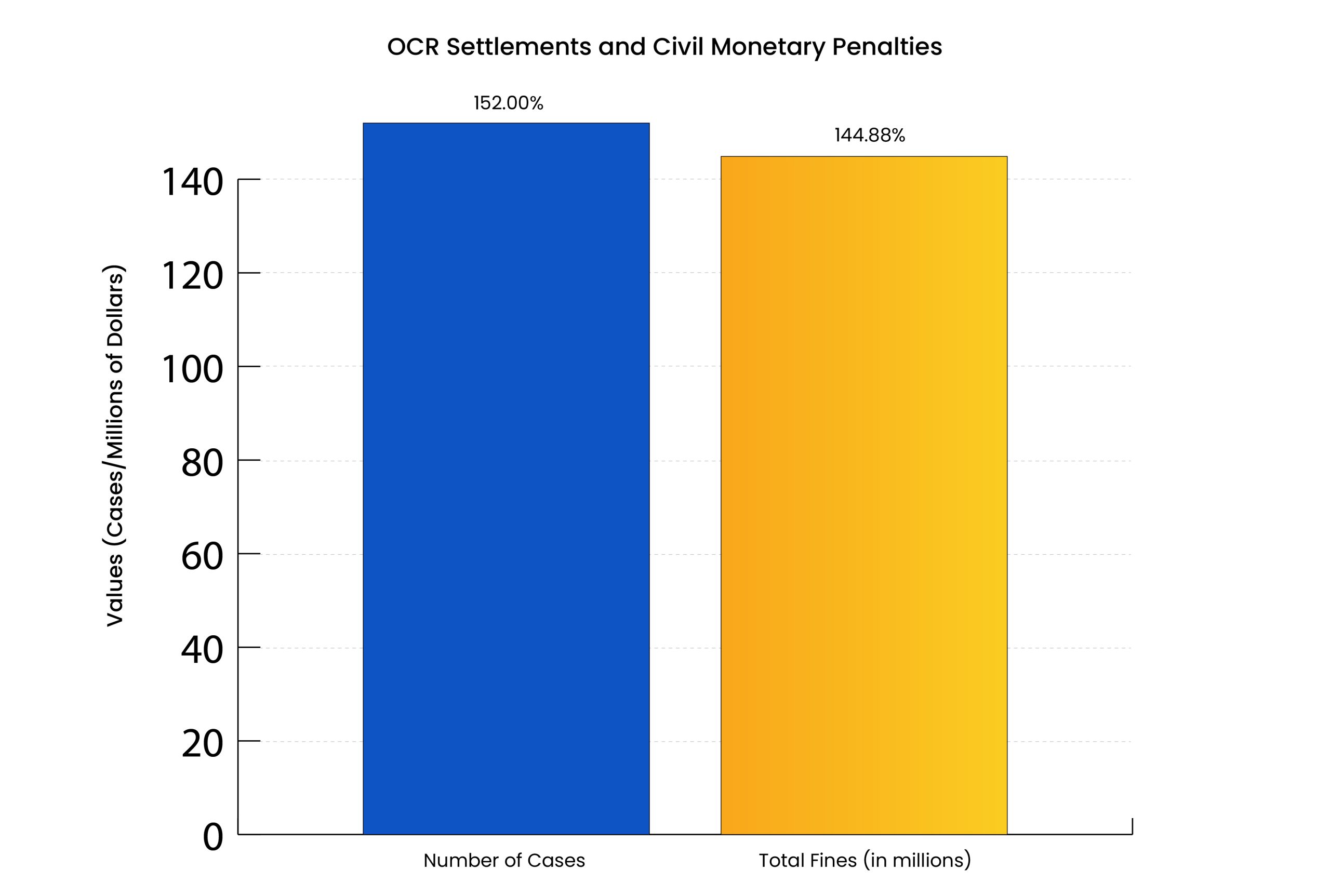
A secure mailing platform works with a compliant partner network, uses modern encryption technologies, and provides audit trails to track document access. The Office for Civil Rights (OCR) has settled or imposed civil monetary penalties in 152 cases with a total fine of $144,878,972. Risk management officers from Insurtech companies must be well-versed in the HIPAA privacy, security, and enforcement rules.
System and Organization Controls 2 (SOC-2)
The SOC 2 regulation makes it mandatory for insurtech companies to securely manage personal data and protect the privacy of their customers. Insurance business owners know how hard it is to ensure customer data security, availability, processing integrity, and confidentiality while sending policy documents using traditional mailrooms.
Finance companies represent around 20% of SOC-2 compliance certifications, making it a critical compliance for insurtech providers. Using secure mailing solutions ensures data integrity and privacy throughout the printing and mailing.
California Consumer Protection Privacy Act (CCPA)
This act controls how insurtech businesses collect, use, and sell the personal information of California residents. Customers can know, delete, and opt out of selling or sharing their personal information. If your insurtech business operates in California, you must follow this compliance law in document-sharing. The insurance industry faced 41 filings under the California Consumer Privacy Act (CCPA) in 2024.
Many secure printing and mailing solutions have built-in mechanisms to comply with these rights. It prevents hefty fines, reputation damage, and delayed processes. You still need to monitor disclosure obligations and consumer privacy rights requirements closely.
The Personal Information Protection and Electronic Documents Act (PIPEDA)
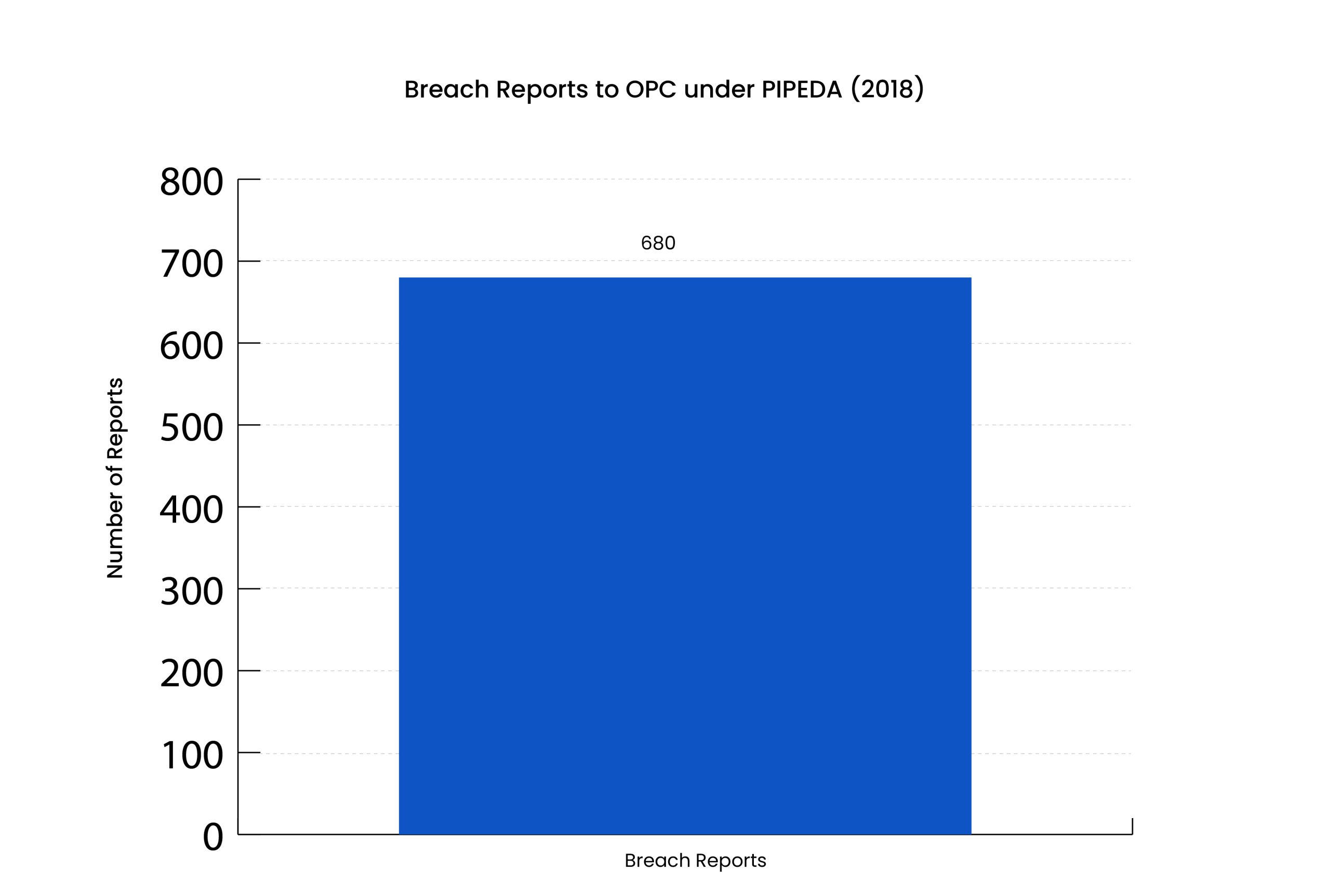
The PIPEDA Act enforces how insurtech businesses operating in Canada collect and use the personal information of Canadian residents for commercial purposes. You must abide by this compliance if you mail insurance policy documents in Canada. We can say that PIPEDA is the Canadian version of GDPR. The Office of the Privacy Commissioner of Canada (OPC) received 680 breach reports with the introduction of mandatory reporting requirements under PIPEDA in 2018.
Only a secure mailing solution can help insurtech businesses adhere to PIPEDA requirements. This solution should include consent management, data encryption, and clear audit trails. Find a solution that fulfills compliance needs with complete transparency.
The Payment Card Industry Data Security Standard (PCI DSS)
This standard protects how insurtech companies process credit card information. They must adhere to this standard if they mention credit card information anywhere in the policy documents or store data for payments of policy premiums.
It mandates that insurtech providers implement end-to-end payment information encryption while sharing documents to avoid unauthorized access. Verizon’s 2024 Payment Security Report suggests that only 27.9% of organizations maintained complete PCI DSS compliance during their compliance validation in 2023. Secure print and mail solutions store user data on encrypted cloud storage to prevent breaches or conflicts. It is one of the primary reasons to ditch a traditional in-house mailroom in favor of a fully compliant one.
The General Data Protection Regulation (GDPR)
The European Union enforces this regulation to protect its residents’ personal information from malicious data collection and processing. Any insurtech company handling European customers must adhere to this law, obtain consent for data use, and give users the right to access or delete their data.
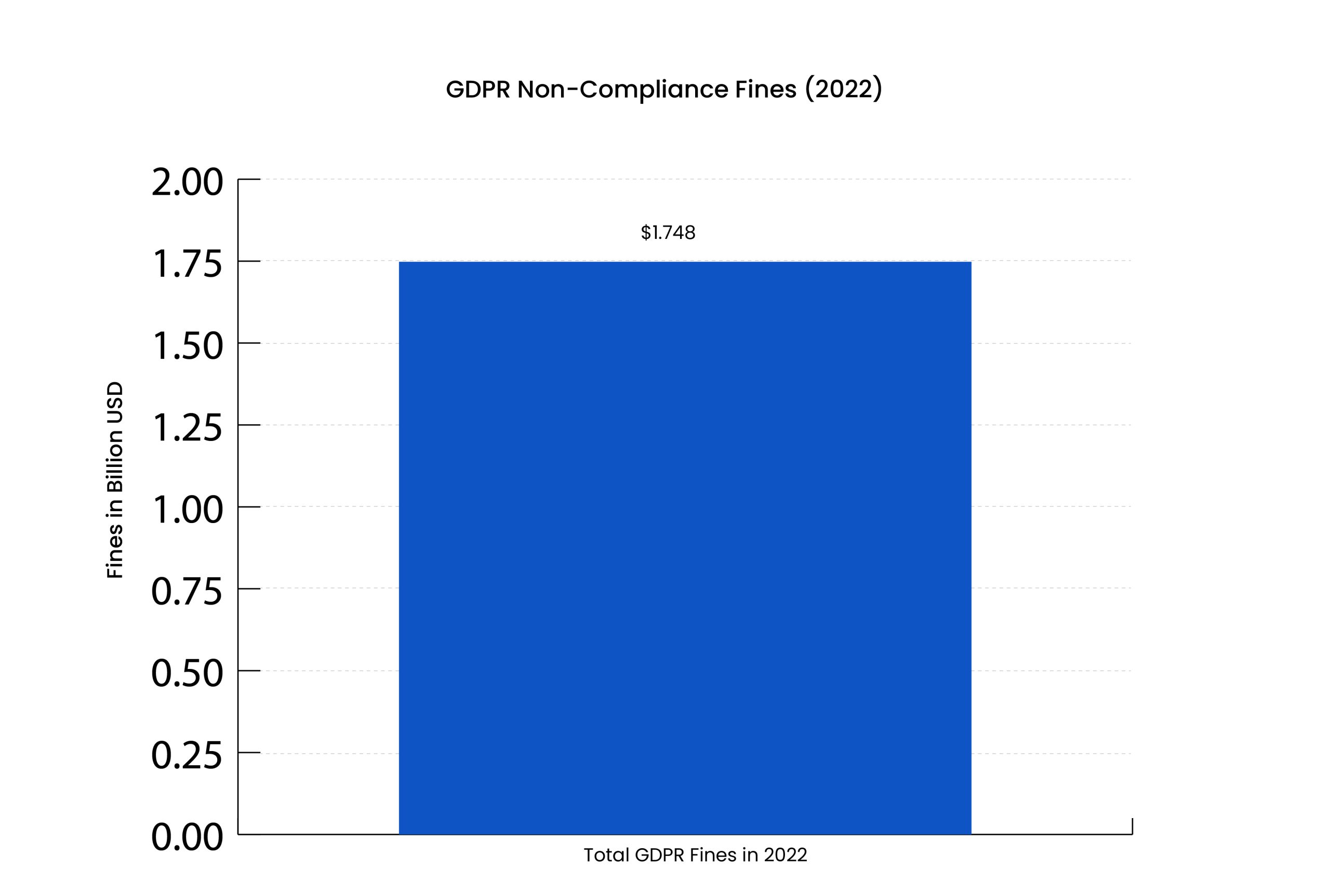
Misusing, exploiting, or compromising customer data leads to hefty fines. In 2022, European data protection supervisory authorities imposed a total fine of $1.74 billion for non-compliance. Insurtech providers cannot overlook the GDPR guidelines in the printing and mailing of policy documents. It is a must-follow regulation when dealing with European customers.
Real-World Success Stories
MLTPLY LCC: Automating Regulatory Mailings With PostGrid
MLTPLY LCC, an insurtech company specializing in property and casualty insurance, faced regulatory complications and inefficient manual workflows while managing its regulatory communications. The problem became more prominent with its growing client base. They implemented PostGrid’s print and mail solution to automate printing and sending documents while maintaining compliance. With PostGrid, they could:
- Create an end-to-end online process for generating, printing, and mailing cancel notices and other regulatory documents.
- Reduce risks associated with non-compliance to strict laws like HIPAA, PIPEDA, GDPR, SOC-2, etc.
- Scale their transactional mailing campaigns without breaking a sweat or hampering operational efficiency.
- Reduce time spent on mail preparation by 75% and save 30% on operational and packaging costs.
Spark Advisors: Sending Insurance Dispute Letters With Full Compliance Using PostGrid
Spark Advisors, an innovative insurtech company, supports Medicare agents in managing 110,000 Medicare beneficiaries. They had difficulty navigating the complex legal and regulatory compliances while disputing claims with letters. The existing solution was inadequate in protecting personal and sensitive client information according to data privacy laws.
A smooth delivery system was also necessary to avoid financial penalties and legal consequences due to delayed deliveries. They partnered with PostGrid to:
- Guarantee the privacy and protection of customer information.
- Obtain audit trails for every document access and usage for transparency.
- Implement role-based access controls to eliminate unauthorized access to personal information.
- Use tracking mechanisms to maintain clear digital records of dispute letters they send.
- Improve the delivery speed of letters to increase client satisfaction by 30%.
PostGrid’s Solution for Insurtech Companies to Send Policy Documents Securely
Insurtech companies cannot exist without innovative tools and technologies. Why should they compromise on their mailing process? Secure, API-first print and mail are necessary to overcome operational challenges and cost inefficiencies.
PostGrid’s print and mail API is the ideal solution for sending transactional mail with full compliance, tracking, automation, and scalability. Our API and printing partners adhere to the significant stringent regulatory requirements of HIPAA, PIPEDA, PHIPA, SOC-2, GDPR, PCI-DSS, and more. Insurtech companies can set up custom workflows to save money and avoid financial penalties, inefficient processes, and undelivered mail.
Talk to our sales team to learn how to integrate PostGrid into your systems and streamline transactional mailings!