
How to Improve Patient Experience, Outcomes, and Profitability With Print and Mail?
Patients are increasingly becoming savvy consumers and desire exceptional experiences for their healthcare needs. Practices also rush to deliver compassionate care, personalized attention, and seamless interactions. However, a journal by the Joint Commission International suggests that 80% of critical medical errors directly result from miscommunication between caregivers during a diagnosis or treatment. It certainly raises our eyebrows to reconsider our patient communication strategy. Delivering top-notch medical requires more than just helping the patient to get well. It requires practices to improve the overall patient experience to maintain a standard of treatment satisfaction.
Print and mail could be still a strong channel for patient communication. It feels more interactive, memorable, and tangible than other mediums. This blog will help you learn how direct mail is effective in boosting patient experience, outcomes, and profitability.
Key Takeaways
- Patients are becoming savvy consumers and demand exceptional healthcare experiences.
- Higher patient satisfaction is necessary to drive better clinical outcomes, patient compliance, and fewer medical errors.
- Patient experience is directly linked to revenue generation for healthcare businesses.
- Direct mail provides a unique opportunity for providers to showcase their expertise and services.
- Physical mail is tangible and memorable, the perfect recipe for patient education.
- Multichannel marketing increases your reach and reinforces your message.
- Print & mail campaigns require continuous effort to find the ideal formula to engage your audience.
- QR codes and Personalized URLs make direct mailers more interactive and engaging.
How Does Patient Satisfaction Ensure the Success of a Healthcare Business?
Patient satisfaction is a metric to measure how happy a patient is with their healthcare journey. It is mostly about meeting the patient’s expectations of what should happen in their healthcare. Businesses must focus on higher satisfaction to ensure better clinical outcomes, patient compliance with treatment plans, and fewer medical errors.
Reduces the Chances of Readmission
Lack of engagement, healthcare illiteracy, or non-adherence to treatment plans are the primary reasons behind increased patient readmission. These readmissions could negatively impact cost and health outcomes. Healthcare businesses must have a proper to improve communication and care coordination to engage patients and caregivers.
Educating patients with medical information could be the first step to expect higher engagement in health plans. It would remove bias, stigma, and taboo against healthcare procedures and medication. Continuous engagement with patients can also make them more comfortable with the provider and reduce fear, helping them to adhere to their treatment plans. Healthcare businesses need to invest more in transitional care while discharging their patients. It may include rehabilitative, restorative, nutritional counseling, skilled care, and dietary planning. All these strategies require a strong communication channel to share information expressively.
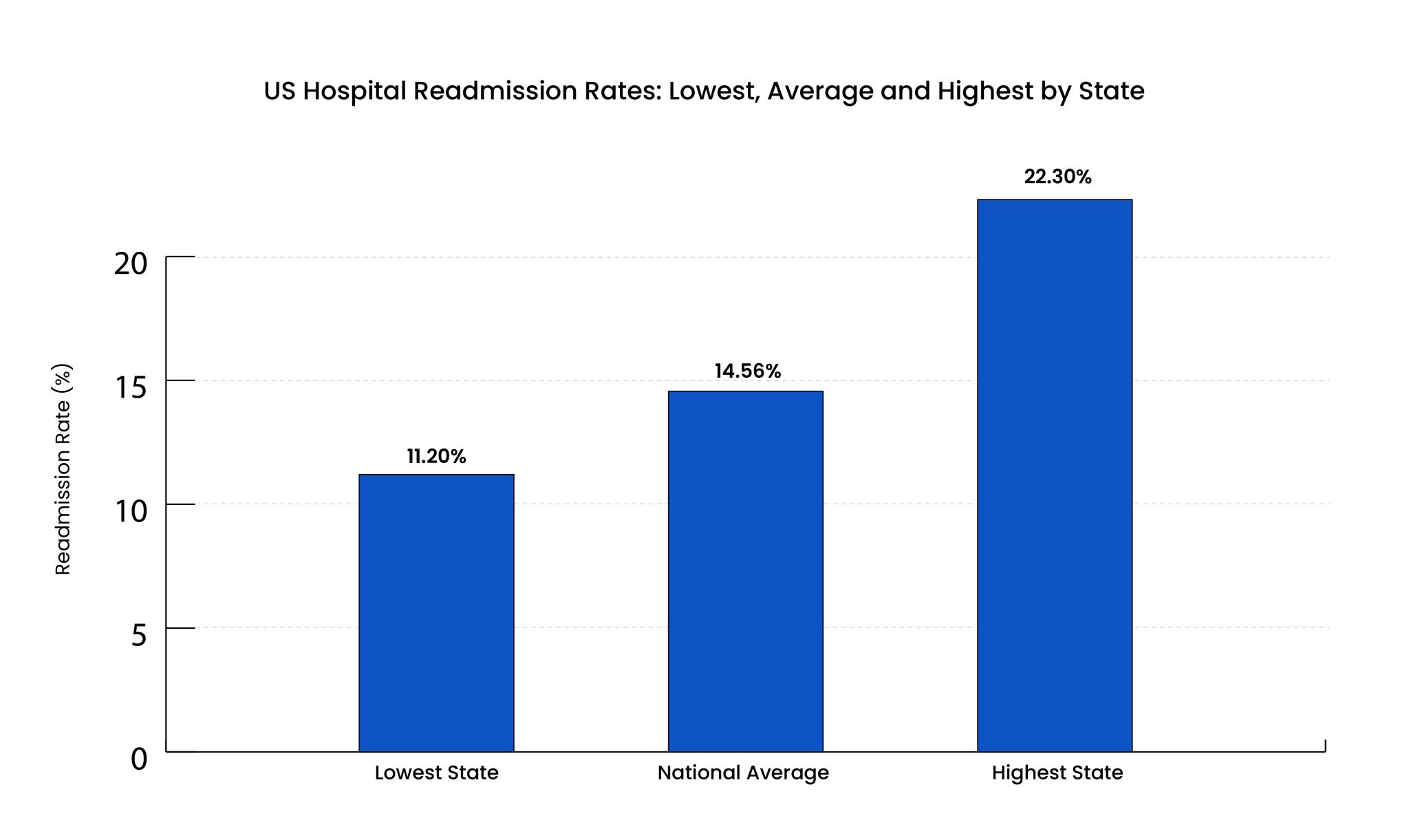
The national average hospital readmission rate in the US is 14.56%. This rate varies from 11.2% to 22.3% depending on the state. Every healthcare setting should focus on higher patient satisfaction to conserve resources and improve health outcomes.
Numerous studies show that race, gender, and income are good predictors of 30-day readmissions. Demographic factors can also influence patient engagement. For example, ethnicity may result in language barriers, reducing engagement. Similarly, education and healthy literacy levels also greatly impact engagement efforts.
Supports Patient Safety
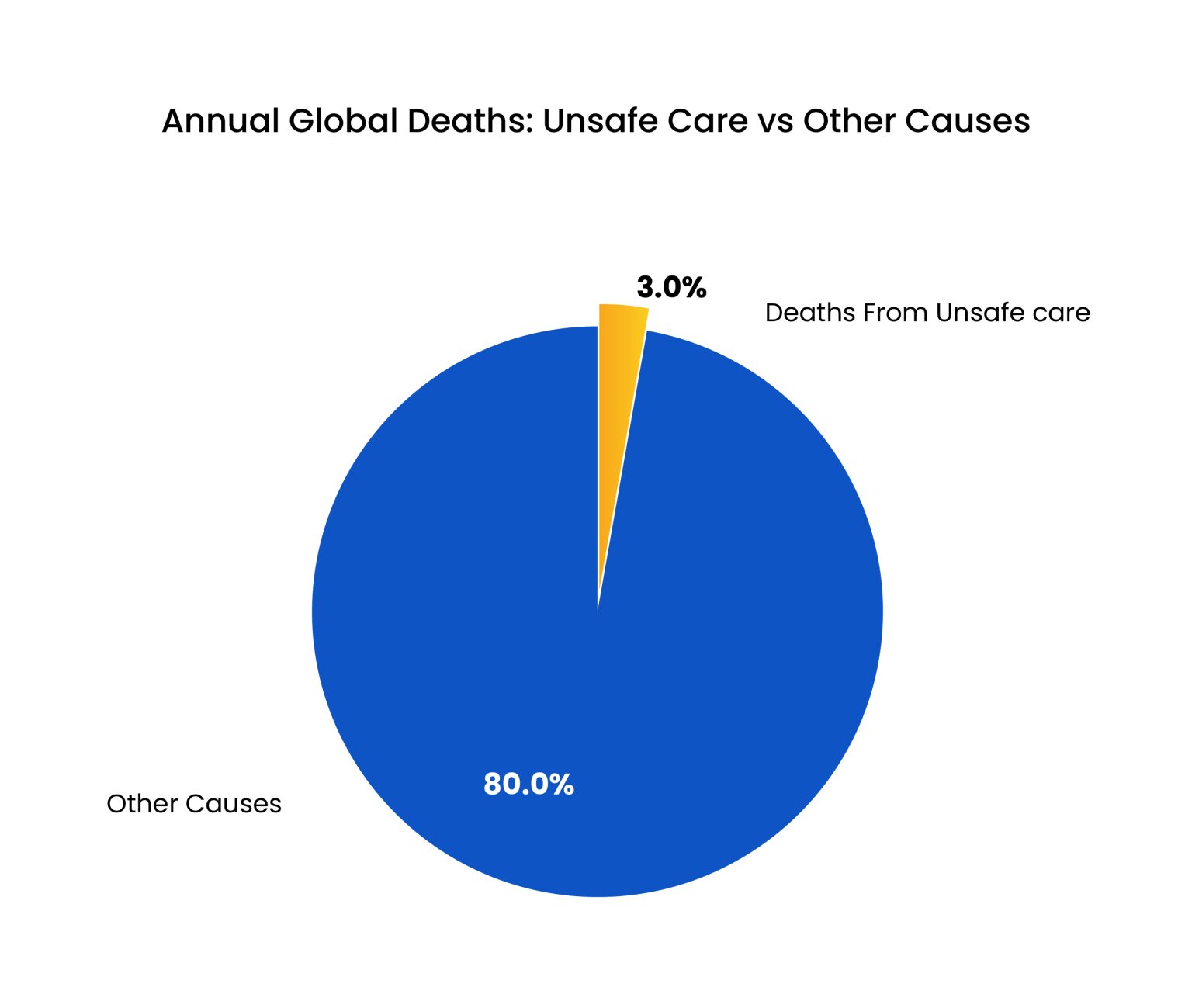
The practitioners are responsible for ensuring patient safety throughout the hospital stay. However, patients are also equally responsible for administering safe rehabilitation of an injury or condition after discharge. It is saddening to know that more than 3 million people die annually due to unsafe care. A superior patient experience can deliver a safer transition from hospital to home. Patients will have higher confidence and knowledge to manage their condition.
Promotes Patient Morale
Every patient has a certain attitude, emotional well-being, and level of optimism regarding their healthcare experience and outcomes. Trustworthy healthcare services, confidence in treatment, and satisfaction with the care display the high morale of a patient. At the same time, anxiety, mistrust, or dissatisfaction are the indicators of low morale. Practices that meet their patient’s physical and emotional needs increase overall morale, leading to higher satisfaction scores.
Patient satisfaction surveys could be excellent for understanding the service gaps and the scope of improvement. It drastically improves patient morale and their faith in your healthcare organization. Treating patients as individuals is vital to understand their unique needs and preferences. Only a few patients will prefer the same treatment or medication plan.
A transparent billing process with both physical and digital copies could be helpful to boost patient morale in your healthcare services. Many successful providers also follow up with past patients after discharging them, ensuring higher satisfaction and morale.
Higher satisfaction improves the capacity to live with long-term changes to their health. The COVID-19 pandemic already triggered a 25% increase in anxiety and depression cases worldwide. More than ever, healthcare providers must consider the psychological impact of physical conditions with a strong communication strategy.
Revenue Generation
A positive patient experience always fosters loyalty, reading in higher ensuring patient retention and referrals. Happy patients are more likely to consider your practice for future medical needs and post positive reviews online. These factors are directly connected with revenue generation for healthcare businesses.
An Accenture report suggests that healthcare organizations providing superior patient experience enjoy 50% higher margins than practices providing mediocre experiences. You cannot undermine the importance of delivering an exceptional experience in the age of healthcare consumerism.
Higher Brand Reputation and Equity
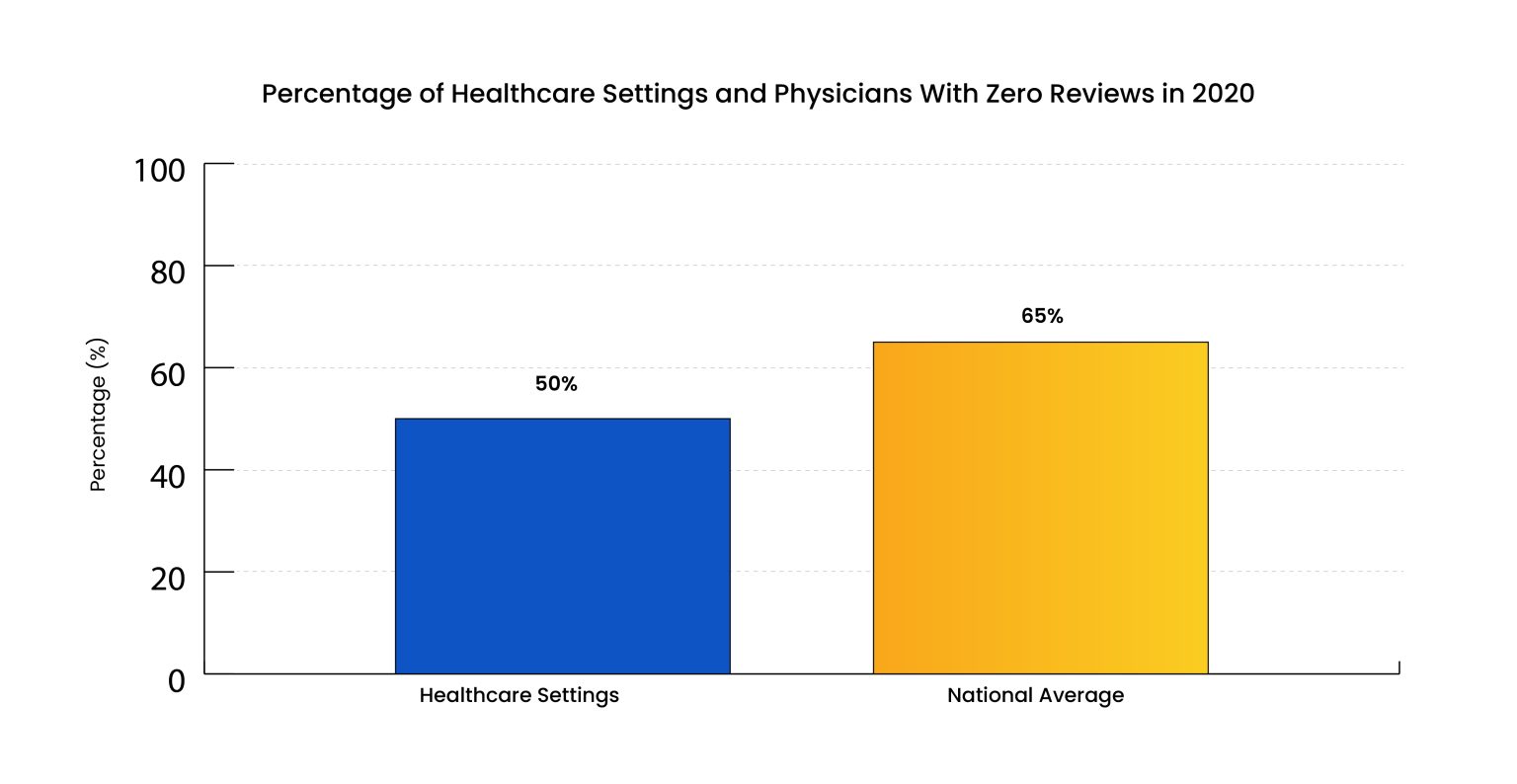
These days patients actively share their experiences through online reviews, social media, and word-of-mouth. People often check reviews on Google or Yelp before consulting a medical practice. However, the 2021 Healthcare Reputation Report suggests that 50% of healthcare settings and 65% of physicians had zero reviews in 2020.
Higher satisfaction encourages patients to leave positive reviews to establish a provider as a trusted choice within the community. In contrast, negative experiences can tarnish a healthcare provider’s reputation.
Operational Efficiency and Cost Reduction
A Harvard Business Review suggests hospitals with digital transformation report a 20% rise in patient flow management. These continuous measures reduce the administrative burden and boost staff productivity. Improved communication leads to shorter wait times and efficient care coordination.
Risks and Challenges of Implementing Print and Mail Solutions in Healthcare
Growing Costs
In-house print and mail expenses are continuously increasing. Healthcare businesses have to bear the cost of designing, printing, postage, and logistics for a campaign. It could be a concerning factor, especially for large-scale campaigns. These investments can only be justified if they can yield higher engagement and ROI than digital communication.
Huge Environmental Impact
Print and mail practices can have a notable environmental impact. Traditional paper production and printing methods contribute to carbon emissions, occupational hazards, and soil erosion.
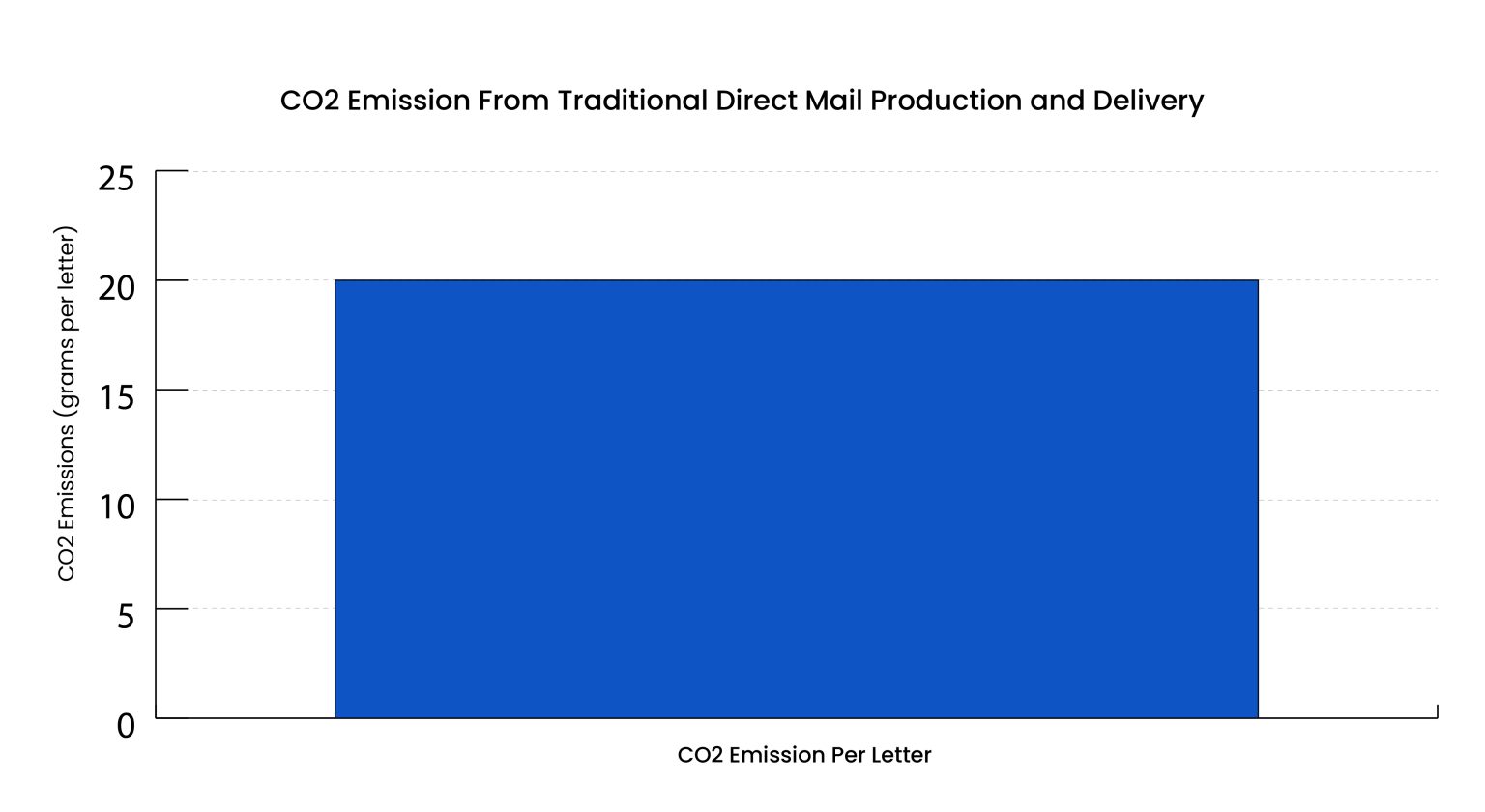
The production and delivery of traditional direct mail generate approximately 20 grams of CO2 per letter. To reduce their environmental impact, healthcare businesses must implement sustainable practices like recycled paper or compostable ink. Eco-friendly printing methods can also help businesses minimize their carbon footprint.
Maintaining Compliance With Regulatory Standards
Every healthcare business operating in the US must adhere to the Healthcare Insurance Portability and Accountability Act (HIPAA) and ensure that all printed material containing sensitive patient information is handled securely and with strict confidentiality.
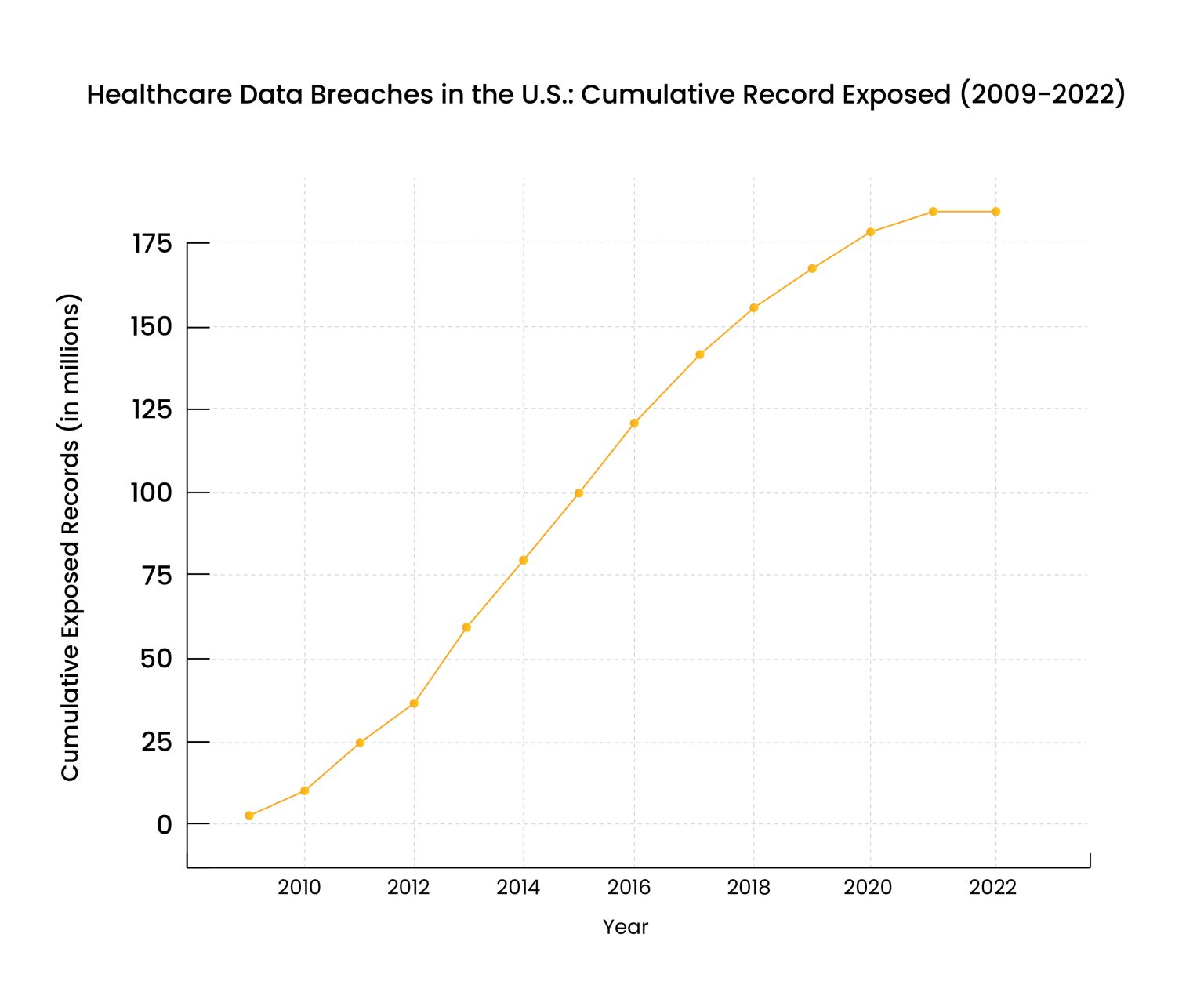
Neglecting protected health information (PHI) could lead to huge fines or legal actions. It is concerning to note that since 2009, healthcare data breaches in the US have exposed over 189 million records. Healthcare businesses are in the constant risk of data breach if they don’t follow compliances while sending direct mail to patients.
Mail Tracking
Many healthcare businesses are unable to track their communication mailers. A traditional in-house approach only leads to guesswork when it comes to tracking the collateral’s journey. However, modern direct mail sent via a system that includes an Intelligent Mail Barcode (IMb) for tracking data helps you keep up with every patient interaction and connection.
Compatibility Issues With EHR/EMR
Healthcare communication is highly dependent on patient data. You cannot shoot generic mailpieces and expect to see high engagement rates. An in-house print & mail process makes it challenging to incorporate this patient data into mailers. Data synchronization with EHR or EMR systems is necessary to personalize the communication material.
78% of office-based physicians and 96% of non-federal acute care hospitals have already adopted certified EHR or EMR systems. We cannot undermine the incompatibility issues with print and mail operations. Healthcare organizations need a centralized that can handle their day-to-day printing and mailing workflows.
Successful Case Studies of Healthcare Businesses Using Print and Mail Services
Royal Alexandra Hospital Foundation
The healthcare institution used direct mail services to support its fundraising efforts with demographic targeting. They analyzed donor locations and used Postal Code Targeting (PCT) to find high-potential areas with eligible donors. By using personalized consumer data, they improved the average donation and donor acquisition rates. Print and mail operations remained a central part of their communication strategy due to their tangible presence and lasting impact.
Orlando Health
Patient education can make a huge difference in the lives of patients. This is an example of a newsletter by Orlando Health sent to patients in an attempt to engage and educate patients. Relevant content could be the most powerful tool for your direct mailers to improve the patient experience.
Healthy Directions
To make the best first impression, Healthy Directions increased the headline’s point size while promoting its heart supplement on the mailer’s envelope. This brought instant attention to the mailer since most people ignore the mailer without opening the envelope.
Latest Trends and Innovations in Healthcare Communication Through Print & Mail
Sustainable and Eco-Friendly Practices
Environmentalism is a growing cause in the age of global warming. A majority of companies want to reduce paper usage by using sustainable printing practices. Consumers/patients are also more conscious of their environmental impact and expect healthcare providers to use sustainable practices for their communication strategy.
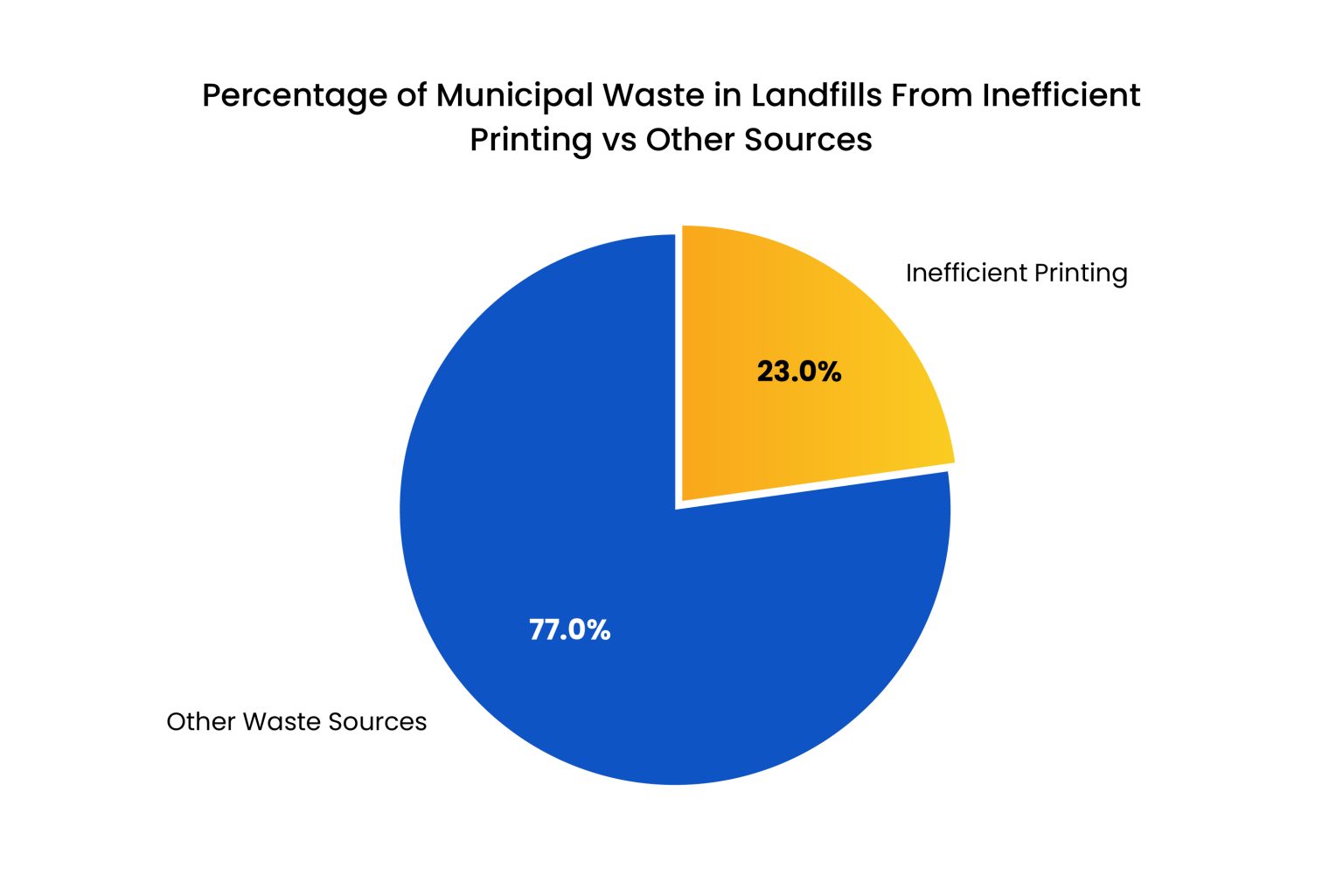
Inefficient printing accounts for around 23% of the total waste in landfills from municipalities, making it highly negative for the environment. Modern businesses consider FSC (Forest Stewardship Council) certified recycled papers in their printing and mail process. Plus, they partner with carbon-neutral vendors to minimize their environmental impact.
Digital Tie-Ins
Healthcare providers have limited space on mailers they send to their patients. Interactive digital elements like QR codes and Personalized URLs (PURLs) are helpful in driving patients to other online channels. It makes the mailers inherently trackable while bridging the gap between online and offline communication.
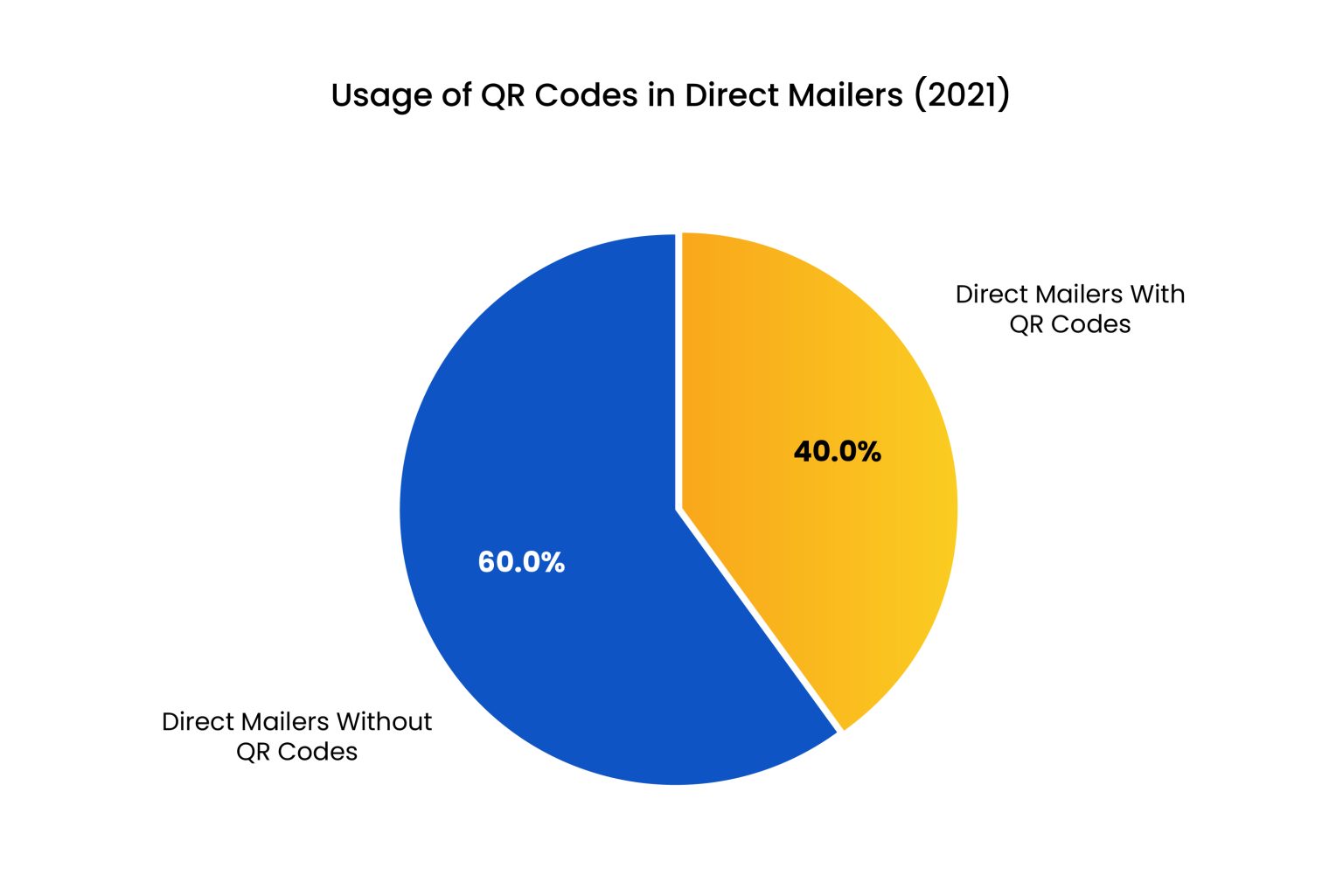
In 2021, nearly 40% of direct mailers used QR codes as a response option. Patients could easily scan these QR codes or PURLs to visit a webpage, appointment scheduling form, YouTube video, social media page, etc. Healthcare businesses can integrate these elements into any collateral to educate and inform patients about their healthcare journey.
Unique Formats and Designs
Creating the best first impression is often a priority for healthcare businesses. Distinctive formats and designs are the latest trend in the world of print and mail communication. Your mailer can stand out with the help of;
- Dimensional mailers
- Die-cut shapes
- Oversized postcards
- Mailers made from eco-friendly materials
- Bold visuals and colour-coding
These approaches make your mailer stand out from the rest and create a memorable experience.
Innovation in the Printing Process
Digital printing is becoming a standard across every industry, helping businesses produce printed materials faster without compromising on quality. You don’t need printing plates, significantly reducing the setup time with this approach. colour accuracy and consistency are significantly better with the ability to print fine details and complex graphics. Healthcare businesses can also make easy modifications and customization by relying on digital printing, making last-minute changes simpler without adding additional costs or delays. It is also more cost-effective for small runs since there are no plate-making costs.
Best Print and Mail Strategies to Improve Healthcare Outcomes and Profitability
Segment Your Healthcare Audience for Effective Targeting
Market segmentation is critical to better understanding the needs, preferences, and behaviours of different groups looking for healthcare services. Practices can segment their audience for precise targeting with direct mail campaigns. It ensures the right message goes to the right person at the perfect time. You can segment your audience based on;
- Age
- Gender
- Location
- Medical needs
- Insurance status
- Location
Use Data Analytics for Personalized Direct Mail Campaigns
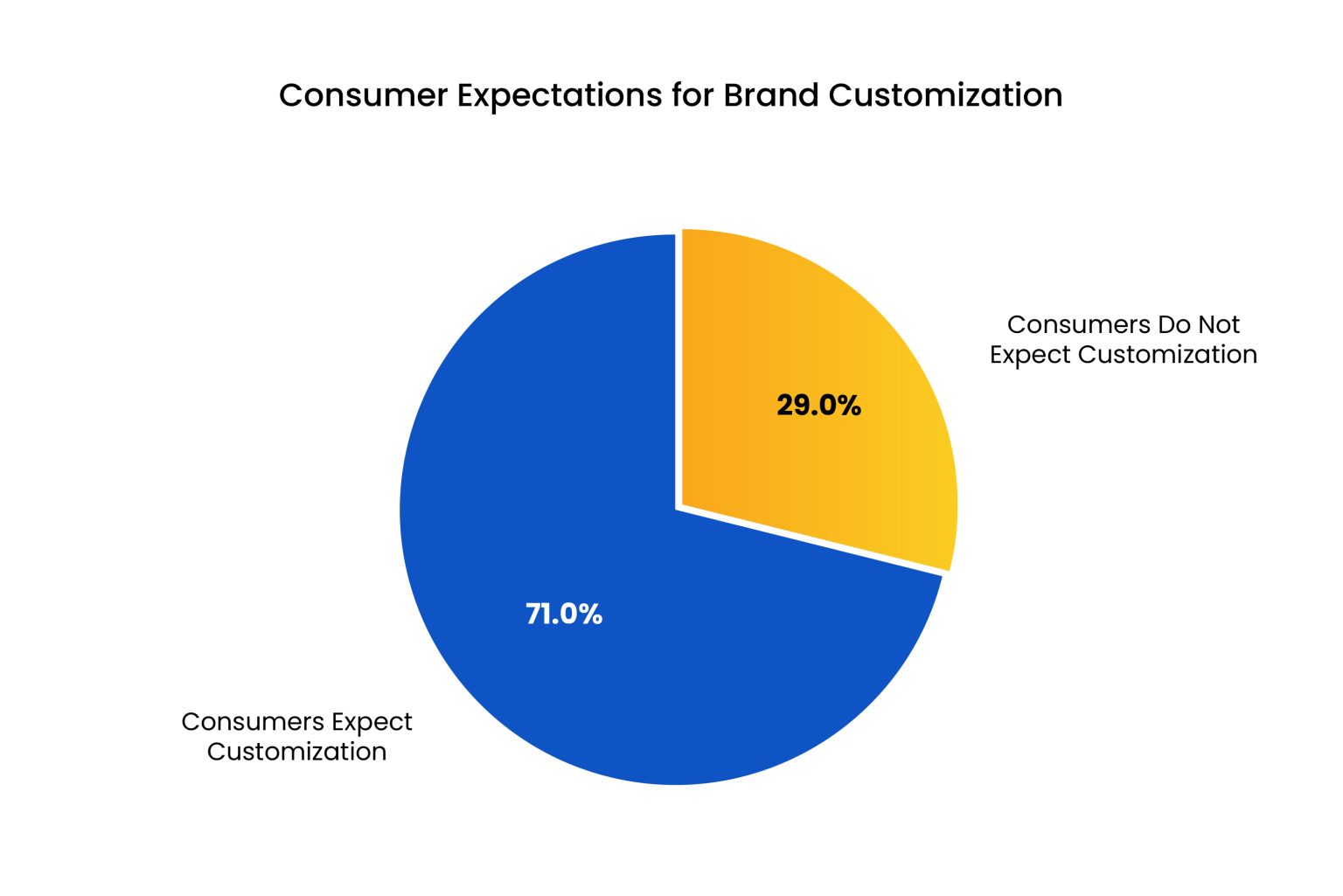
An automated solution with native integrations for your CRM, HMS, or marketing tools helps you analyze patient data and healthcare records. This data plays a critical role in personalization as 71% of consumers expect a brand to deliver some customization. Your campaigns start to address individual needs and preferences. A personalized approach is always necessary to increase engagement and response.
Generate Compelling Healthcare Campaigns and Calls-to-Action
A compelling CTA and relevant campaign are necessary to drive your target audience into taking action. You can discuss anything from a discounted check-up to a specialized treatment package. The CTA must be clear and deliver value to the patients reading your direct mailer.
Focus on Design Elements that Capture Instant Attention
The design of your marketing and communication collateral has the power to captivate minds and encourage people to read your mailers. Research suggests that 78% of marketers say visual content is vital for their strategies. 91% of consumers also prefer visual content to written content.
You must design your collateral with eye-catching elements, such as striking images, vibrant colours, and concise copy. These days, marketers are also including QR codes or Personalized URLs (PURLs) to make the mailers more interactive.
Implement A/B Testing for Continous Improvement
It is hard to predict which marketing or communication material will perform better than the other. A/B testing is a smart approach to fine-tune your direct mail campaigns with real-world insights. You need to create two variations of your mail and send each version to a different segment.
It would provide you with comparison insights to identify what resonates most with your audience. We recommend you test different elements, such as headings, offers, collateral types, or images to gather vital insights and make informed decisions.
Remember, direct mail is not a single-time activity. It requires an iterative approach with constant evaluation to achieve the best results. A Marketing Land report suggests that around 93% of US businesses do A/B testing on their marketing campaigns.
Use Multichannel Marketing With Digital Channels
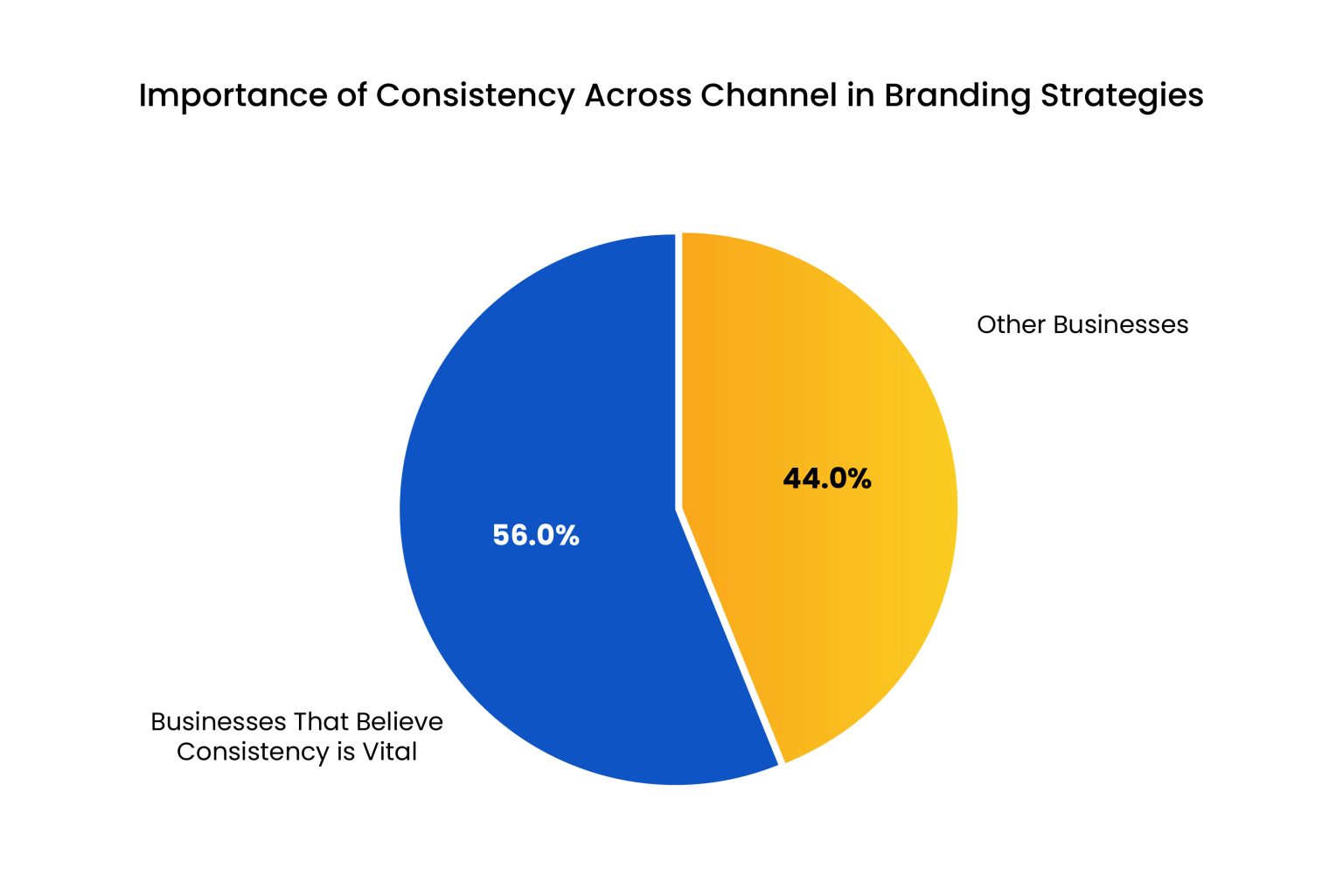
Healthcare businesses cater to different audiences. Each group could be more active on a specific communication channel. A multichannel marketing approach with direct mail helps you maximize your reach and keeps your business top-of-minds. 56% of businesses believe that continuous consistency across channels is vital for their branding strategies.
This approach reinforces your healthcare communications and increases the chances of engagement. A few print and mail service providers help you bridge the gap between offline and online marketing and communication with custom triggers.
QR codes and PURLs are some effective tools to drive your direct mail recipients to your online channels. For example, you can encourage them to book appointments online, access additional information, or take specific action.
How Can PostGrid Print and Mail API Automate Your Marketing and Communications Strategy?
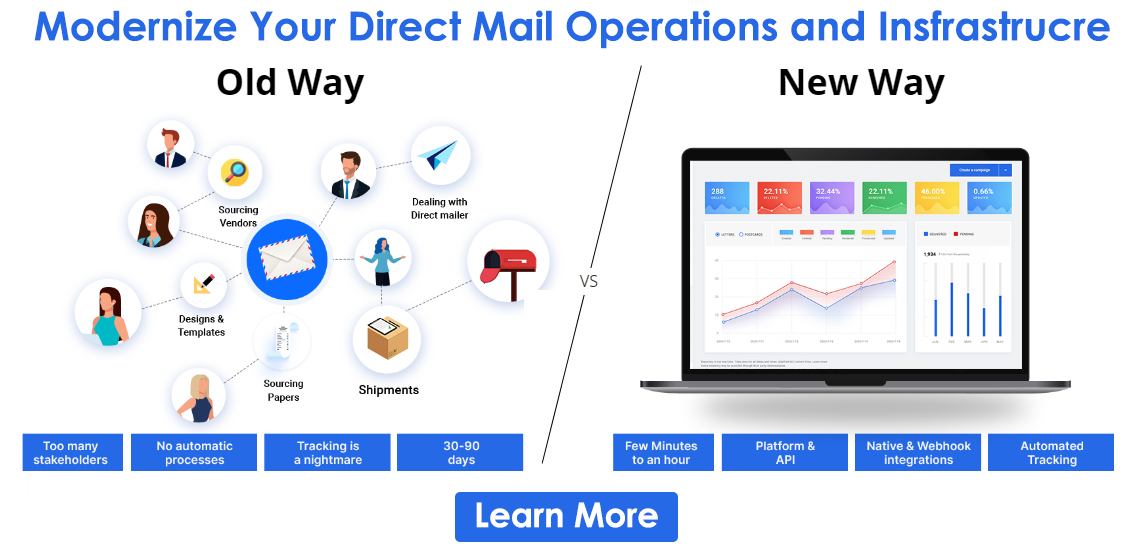
Healthcare providers often have less time and resources to run consistent communication strategies. A traditional direct mail campaign requires a lot of planning, time, money, and workforce. You will still lack data-driven personalization and real-time tracking for your mailers.
PostGrid Print & Mail API is a fully compliant and automated platform that sends your communication and marketing mail securely. The API features a built-in template editor, Variable Data Printing (VDP) for hyper-personalization and real-time tracking tools. You also get native integrations to set up automated workflows to send relevant mailers based on patient data and past behaviour. It could be the perfect addition to improving patient experience, outcomes, and profitability.
Request a demo and learn how to evolve your communication strategy with automated print & mail.